


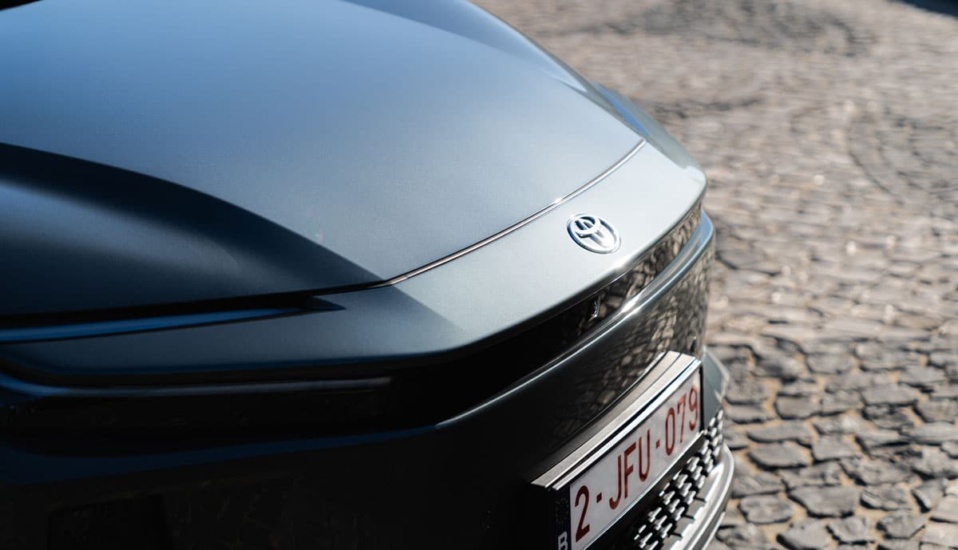
Although Toyota, the world’s largest automaker, is well-equipped in terms of efficiency, it sees its existence under threat due to the major challenges facing the industry. CEO Koji Sato called on the group’s main suppliers to significantly increase their efficiency if they want to survive in an industry characterized by new technologies and tougher competition. The warning was given at the Toyota Supply Partners Convention on March 25 in front of nearly 700 executives from 484 companies, according to Automotive News.
Sato explained that Toyota was falling behind its faster and more cost-effective rivals and was suffering from global trade problems. To meet the challenges, the Japanese company and its suppliers will need to control costs, work together on innovative technologies and seek new partners beyond the traditional automotive industry.
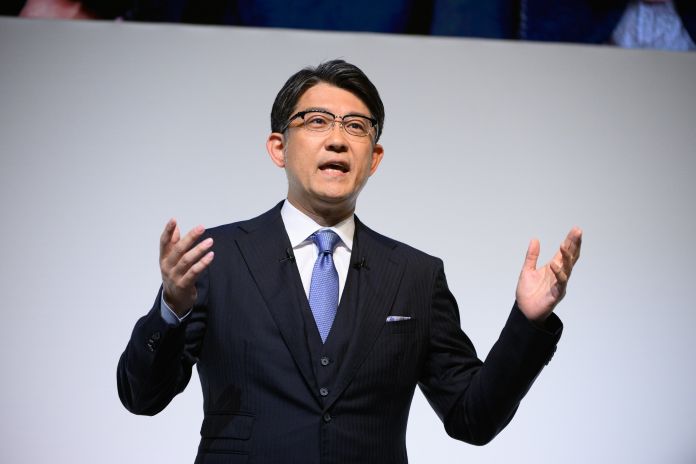
If nothing changes, we won’t survive. “I want everyone to be aware of this sense of crisis,” Sato said, emphasizing the urgency he believes the industry must take action. He also praised suppliers for their contribution to record profits and sales in recent years and for their mutual support in crises. At the same time, Sato criticized production disruptions due to recalls and technical malfunctions; This reduced efficiency and production. We continue to keep many customers waiting. He explained that most of these production failures were due to equipment or quality problems at both Toyota and our suppliers. He called on the group’s suppliers to integrate quality into every process to increase vehicle production.
Toyota plans to unify the diversity of software and powertrain transmissions across its model range and relax parts specifications that were previously considered extremely strict. The aim is to reassure suppliers so they can invest in the future. At the Toyota Supply Partners Convention, the automaker presented more than ten initiatives to increase competitiveness. Still, CEO Sato appealed to suppliers: Implement as many of these ideas as possible and develop better cars.
The Toyota executive emphasized that the industry is in crisis mode in the face of profit-cutting costs, variable regulations, artificial intelligence and new competition from China. Closer collaboration, innovation, pragmatic planning and product development are crucial to our survival together.
Sato will hand over the management to Kenta Kon in April. Kon warned against being lulled into confidence by Toyota’s high profits and annual sales of tens of millions of vehicles: Given the figures published in our annual financial statements, some might get the impression that Toyota is in a safe and comfortable position. But that is not the case at all. The new CEO wants to strengthen competition, lower the break-even point and focus on digitalization, better staff development, the shortage of qualified employees, logistics efficiency, future factory technologies and a new vehicle platform.
Automobile Magazine – English