





Infotainment is a major part of the modern vehicle. Most cars, trucks, and SUVs you find on the road these days drive very well, get decent fuel economy, and have a wide range of driver aids. So a decent infotainment system may be the difference between a nailed-on purchase and something you’re likely to swerve.
It makes sense, too. A vehicle is something you’re likely to spend a significant amount of time in. Easy access to music, a solid navigation system, and some fun customization options all serve to make that time more pleasant. So it’s amazing so many companies are making a bit of a hash of it all. For some, there’s a clear hardware problem.
Ford’s infotainment system at a glance
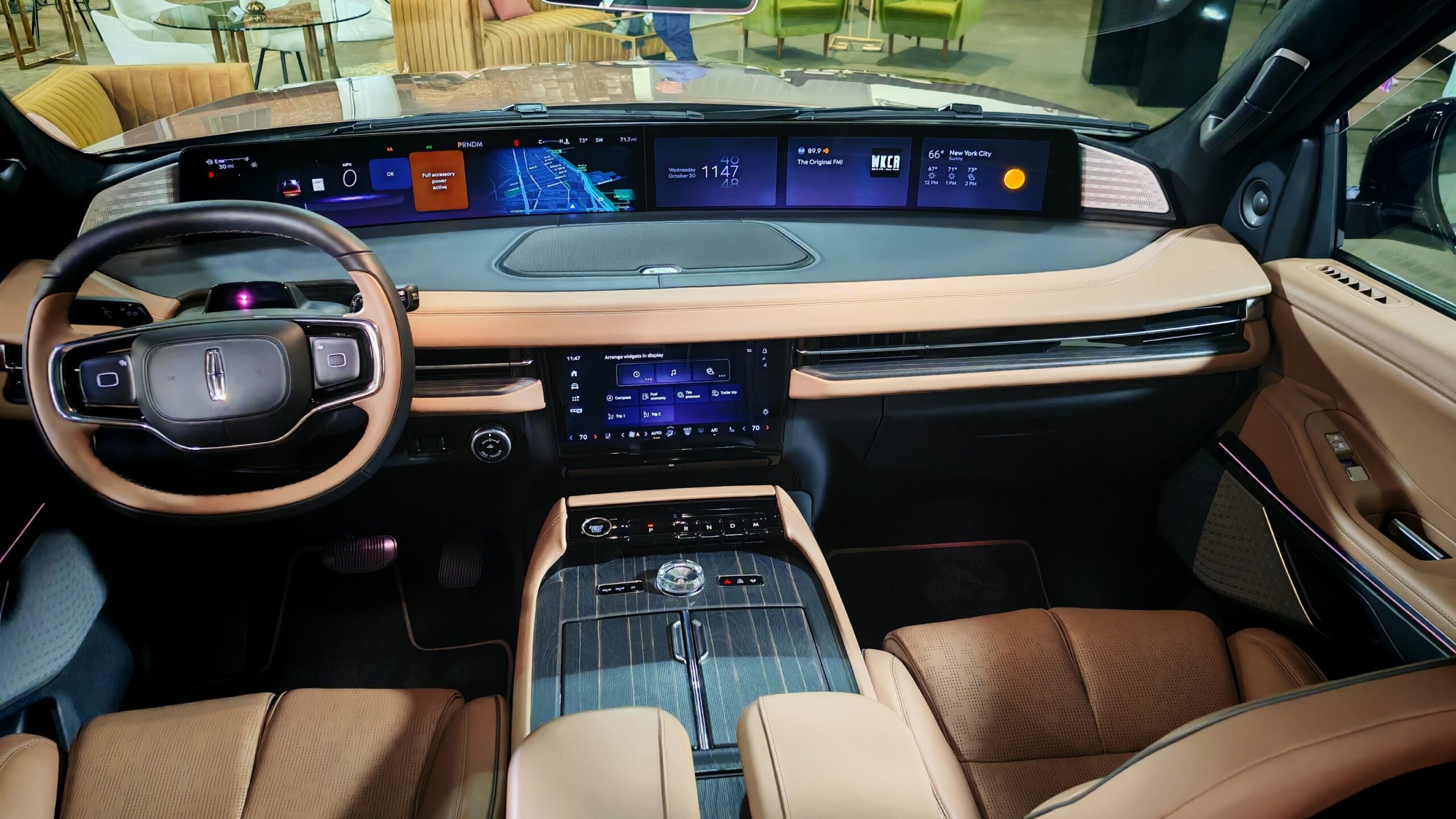
Ford is not one of those companies. It keeps it simple in a lot of areas, and drizzles in the correct amount of experimentation in others. That’s why you see several of Lincoln’s models boasting a dash-length display, and “digital smells.”
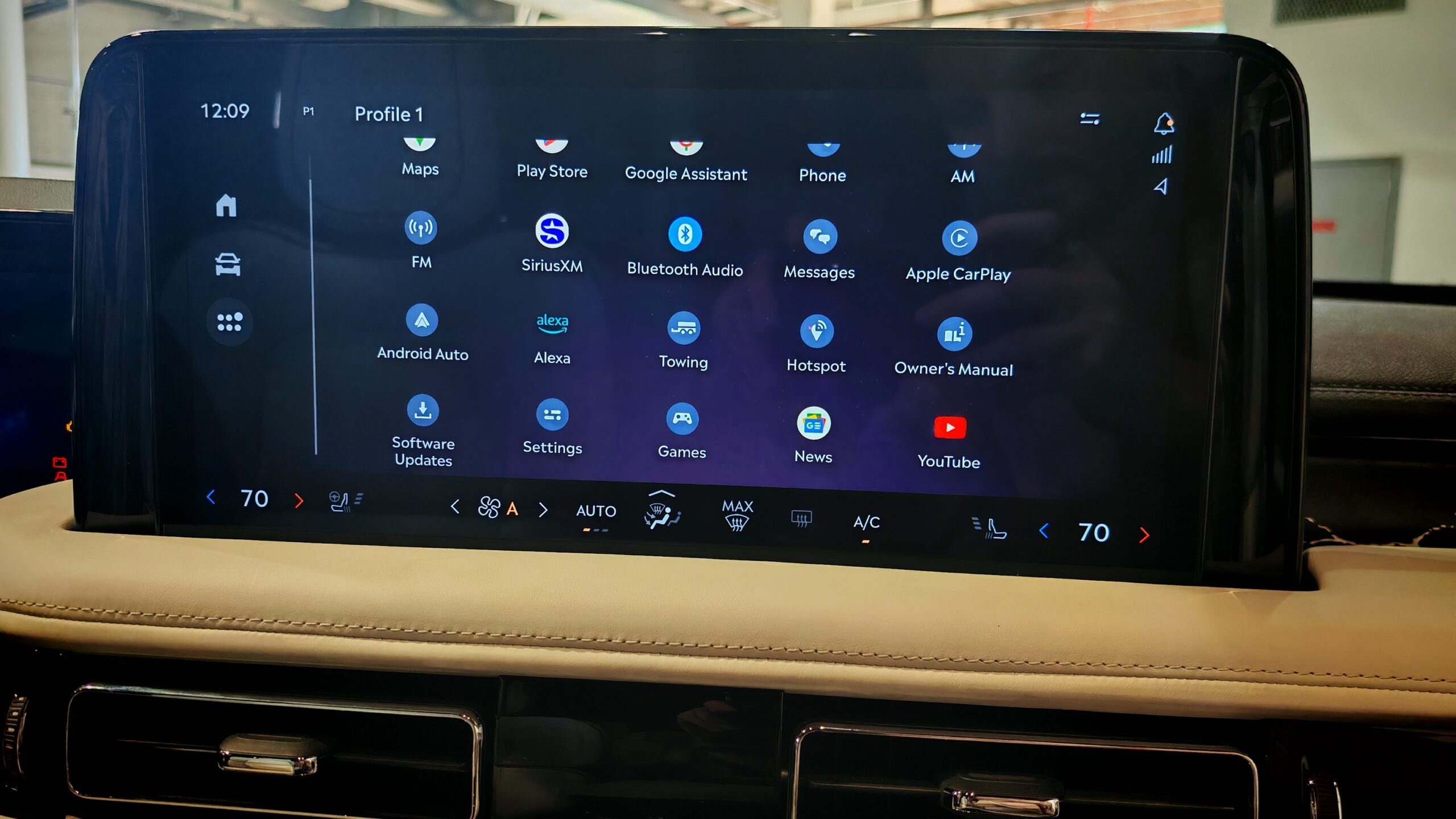
For the Fords themselves, things are pretty simple. You tend to get a large, square display, and the stuff on it is very simple. Ford has built its infotainment system on Android, so anyone who uses an Android phone or tablet should feel right at home. As it’s Android-based, you can easily add additional apps to the vehicle. But the best thing about Ford’s infotainment system doesn’t really involve the “Ford” part of it at all.
Ford isn’t the only one with the Android base
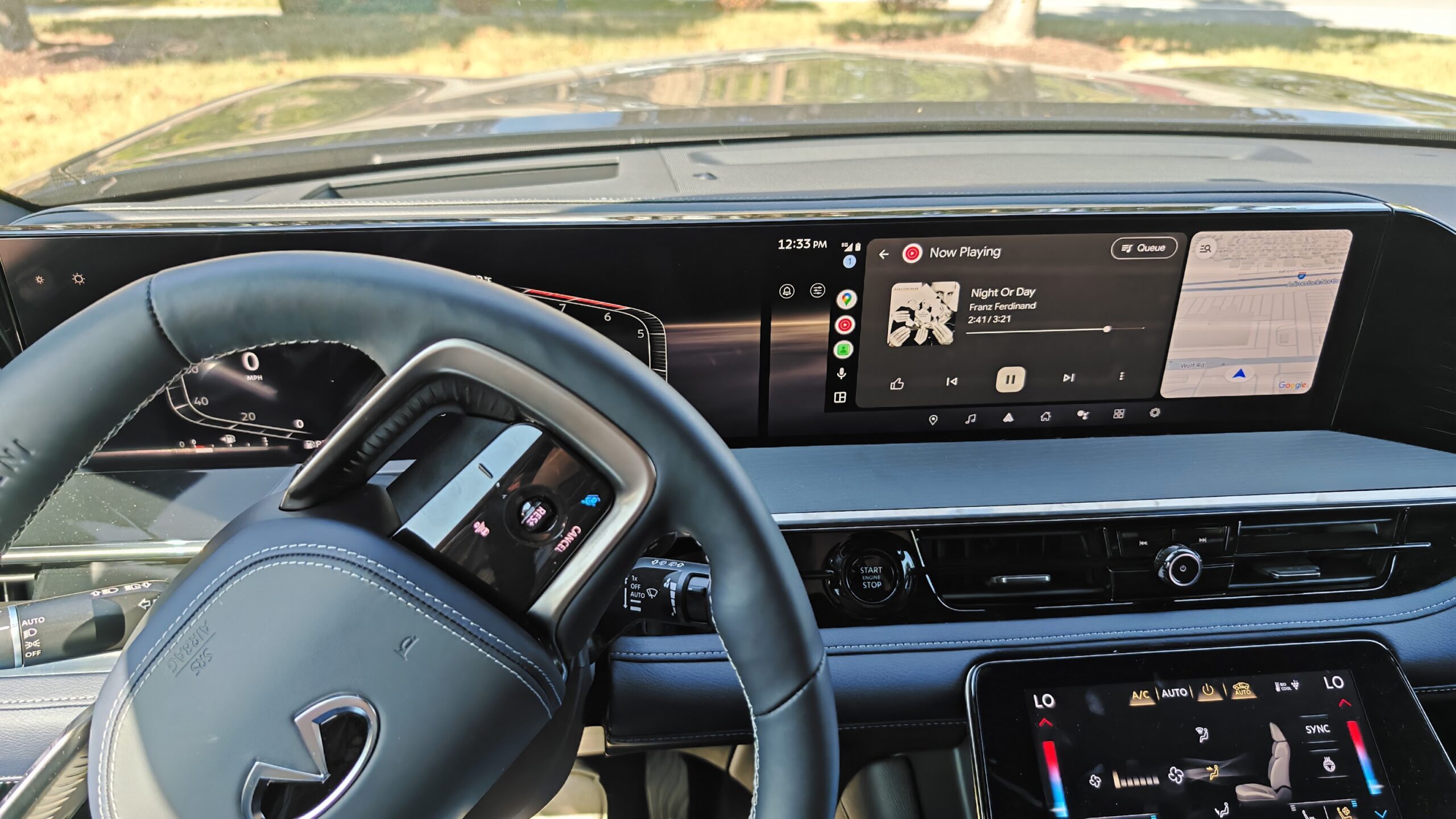
auto” class=”wp-image-1468180″ />Ford isn’t the only company with an Android-based infotainment system; it’s actually a pretty popular option. However, I’d argue Ford has gone further than most on one front: Smartphone Integration. Ford gives the option of using “its” infotainment system, but knows full well many people prefer Android auto or Apple CarPlay. Not only will the two phone-based options connect seamlessly, but they’ll also have access to a lot of the vehicle’s data — which helps when planning things like charging stops on an EV road trip.
By comparison, some other brands take a different approach. Volvo, for example, has Android-based infotainment but doesn’t have a Bluetooth-based Android auto connection in its main models. GM emphasizes its in-house systems over mobile integration. On a personal level, if I’m handing over close to six figures for a vehicle, I want everything to be seamless. And I definitely don’t want my options reduced. I say this as someone who reviews a lot of vehicles. There are few things that annoy me more than getting into a “premium” vehicle in 2025 or even beyond that and not being able to connect to Android auto via Bluetooth. And it’s shockingly common.
It’s probably saved Ford a fortune
Occasionally, I’ll turn up to an event hosted by an OEM and sit through a talk about its new infotainment system. This sometimes includes a glimpse at just how much these things cost to develop, and it isn’t inexpensive. There are instances where this can work out; a manufacturer can add features that Google or Apple isn’t really capable of. But you really have to question if it’s actually worth it?
I don’t recall Ford mentioning much about infotainment software. Yes, the company will boast about the size of its display or, in the case of Lincoln, its dash-length layout and swathe of comfort features. But there doesn’t seem to be much focus on the basic software running it all. This is probably for the best.
Both Android auto and Apple CarPlay are excellent. Beyond that, I love the fact that I can click an address in a text message or email, open it in Maps, and have those directions immediately show up on my linked vehicle. While you can control some proprietary infotainment systems from an app, it’s nowhere near this intuitive.
Ford has probably saved a ridiculous amount of money and ended up with a better result by just leaving things to Apple and Google.
Give the people what they want, and invest in other areas
So Ford’s strategy works on a few fronts. Apple CarPlay and Android auto are both immensely popular and convenient. They work well, and if issues do arise, it’s not likely to be Ford’s problem. Ford saves a large amount of money on research, development, and the maintenance/updating of some very complex software. It can still gather “user data” too, though it now has to share some with a third party.
While the money it saves is significant, it’s still likely a small percentage of overall research and development funding. Still, it’s a large sum that can either go towards other areas of research or be used to shave a tiny amount off a vehicle’s MSRP. And who wouldn’t want that?
Automobile Magazine-Uk