

The first three races of the new technical cycle have led to questions about the sustainability of the 50:50 ratio between thermal and electrical power. If on the one hand a possible weakening of the hybrid part is evaluated, increasing the performance of the petrol V6 is not as simple. Despite appearances, inside the new engines work differently from the previous ones and would need more modifications to release more horsepower. The suggestion of the fuel flow One of the innovations of the 2026 technical regulations was the reduction of fuel flow by approximately 30%. Increasing it again would undoubtedly help release more horsepower, but would force other collateral changes. For example, the amount of petrol needed to complete a Grand Prix would increase, which would raise the need for a larger tank, with all the ensuing space problems. Furthermore, to burn more petrol, more air would be needed, requiring further interventions on the turbo. Last, but not least, a possible upgrade of the combustion engine would increase the thermal and mechanical stresses to which it is subjected, higher than those considered in the design phase. Therefore, it would be difficult to increase the flow of fuel during the current season, having to give the teams time to adapt. The thermal engine has changed In general, the fact that the new engines have maintained the architecture and displacement of the previous ones is responsible for the mistaken belief that they are the same in every way. This is not the case, however, as other modifications have altered the combustion process. The reduction of the compression ratio from 18 to 16 and the limit to a single spark plug ignition, compared to the previous five, are just some of the changes that have meant that combustion is now slower than the ultra-rapid one of the old power units. Unlike the electrical part, therefore, it is not possible to change the power of the V6 simply by operating a lever. Recovering horsepower from thermals is possible, but not immediately, which is why any decisions in this regard will have to be made as soon as possible.

Giving more power to the combustion engine: because it is not immediately feasible
İLGİ ÇEKENLER


Constructors’ World Championship 2026: the ranking after the GP in Canada
Ferrari leads McLaren...
Drivers’ World Championship 2026: the ranking after the Canadian GP
Russell collapses to...
Mercedes takes the lead again, but Ferrari finds Hamilton again
Antonelli's Mercedes is...
Canadian GP Roll of Honor
The Canadian Grand...
Russell ko blames bad luck: “I just want to play it fair”
So much bad...
GP Canada, sensational: Russell withdraws due to a technical problem
W17 #63 shuts...
GP Canada 2026: McLaren dares the intermediates and gets everything wrong
Wrong choice The...
Race strategies, Pirelli: “Better not to fight too much at the start”
The rain threatens...




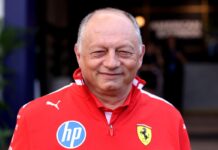
Vasseur: “The management between Antonelli and Russell? Stuff for rich people”
Vasseur applauds the...

Verstappen, here we go again: “If they block the rule change for 2027, I’ll leave F1”
2027 engine rules,...
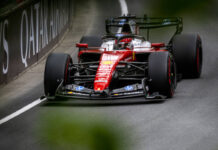
Leclerc: “The way I am, the rain could make things even worse”
The Monegasque doesn't...


Hamilton’s impediment on Gasly: no penalty for the Ferrari driver
Fifth place on...