Key meeting
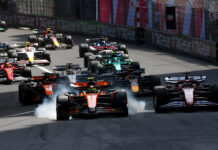
At the end of the Suzuka GP, faced with the images of Oliver Bearman’s accident, several riders asked out loud an intervention by the FIA and Liberty Media. The current regulation in these first three races has highlighted two significant weaknesses. Firstly, the need to manage the energy available has transformed qualifying from the maximum expression of speed and talent into a depressing spectacle. Secondly, the speed differences between cars being recharged and cars launched ‘at maximum’ can lead to unpleasant episodes such as the one that occurred between Franco Colapinto and Oliver Bearman.
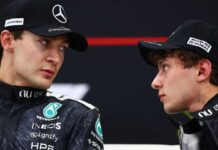
Toto Wolff he declared at the end of the race that he agreed that it is necessary to study a solution to improve qualifications and that a meeting is scheduled in London on Thursday 9 April to discuss any changes to be made to the regulations following what emerged in these first three races.
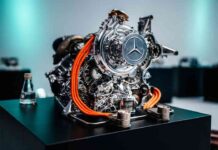
Although the head of the FIA Nick Tombazis already said after Australia that the Federation had kept some tricks up its sleeve to correct the situation, in reality the blanket is quite short. The ‘meshes’ of the electric cage cannot be widened much unless we decide to raise the white flag and stop pursuing this crusade of equal division in terms of power between the electrical component and the thermal component of the power units.
Obviously a step backwards of this magnitude could not be expected before 2027, because engine engineers must have time to recalibrate if not even redesign the power units if they decide to modify the 50/50 ratio by increasing the weight of the thermal part again. In the immediate future, however, it is likely that action will be taken on energy management lowering the maximum energy use threshold to ensure that too obvious differences in speed do not arise between the single-seaters based on the different methods of managing electricity.