




The championship has yet to begin that 2026 has already decreed its first winner: creativity. The teams went wild interpreting the new regulations, proposing new and distant solutions. Judging its effectiveness from the outside would be presumptuous, even more so since it is never the single idea that makes the difference, but rather the organic nature of the package as a whole, but nothing prevents us from appreciating the most effective ones. Taking inspiration from cinema, which is preparing for the Oscar ceremony in March, here are our nominations for the solutions seen so far on new cars.
Musetto (McLaren, Aston Martin, Audi)
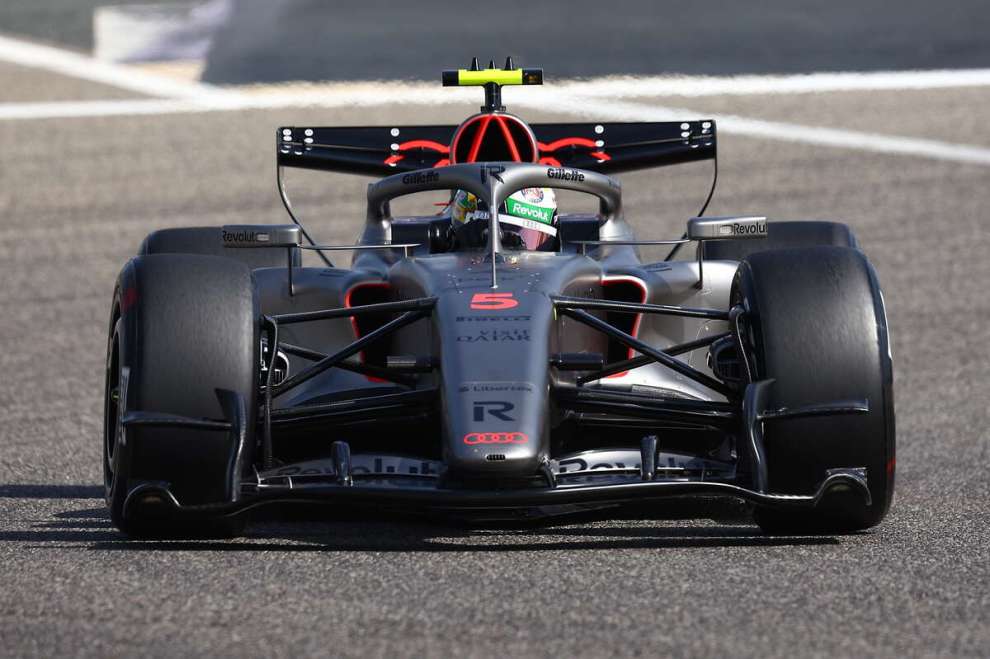
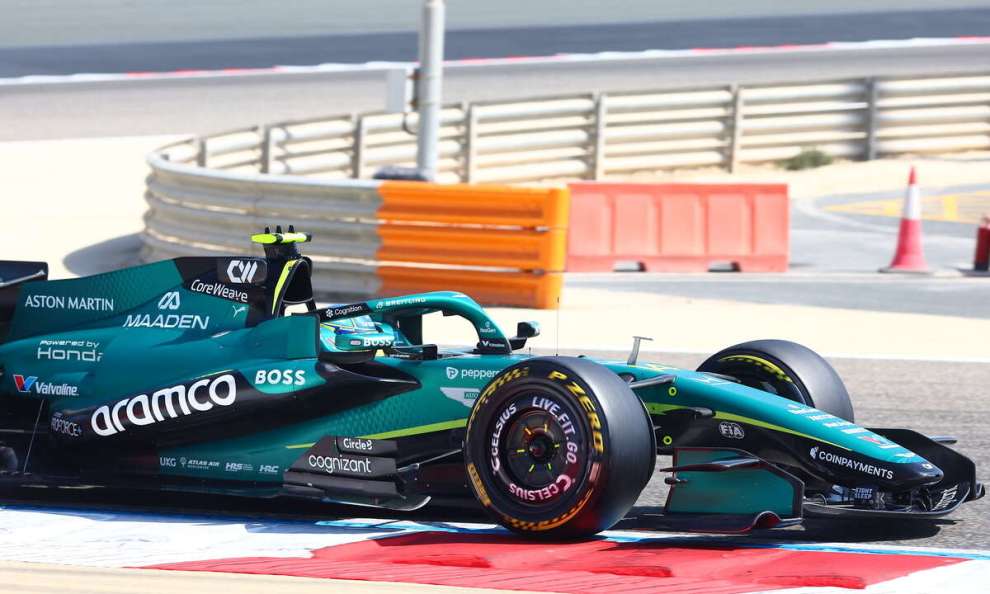
With the 2026 regulations, the FIA has tightened the chassis homologation crash tests, making the structural design of the front even more difficult. A round of applause therefore goes to McLarenwhich presents itself with a particularly slender nose. Also affecting Aston Martin and Audiwhich went in the completely opposite direction, proposing a deliberately large and stocky nose, a symptom of a different aerodynamic approach.
Front wing (Red Bull, Mercedes, Aston Martin)
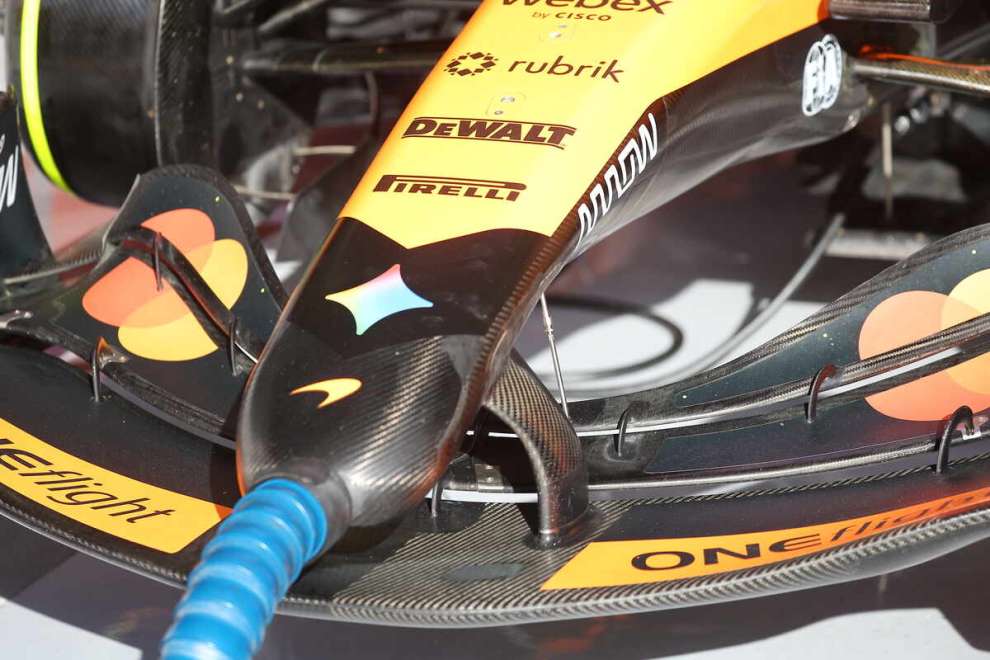
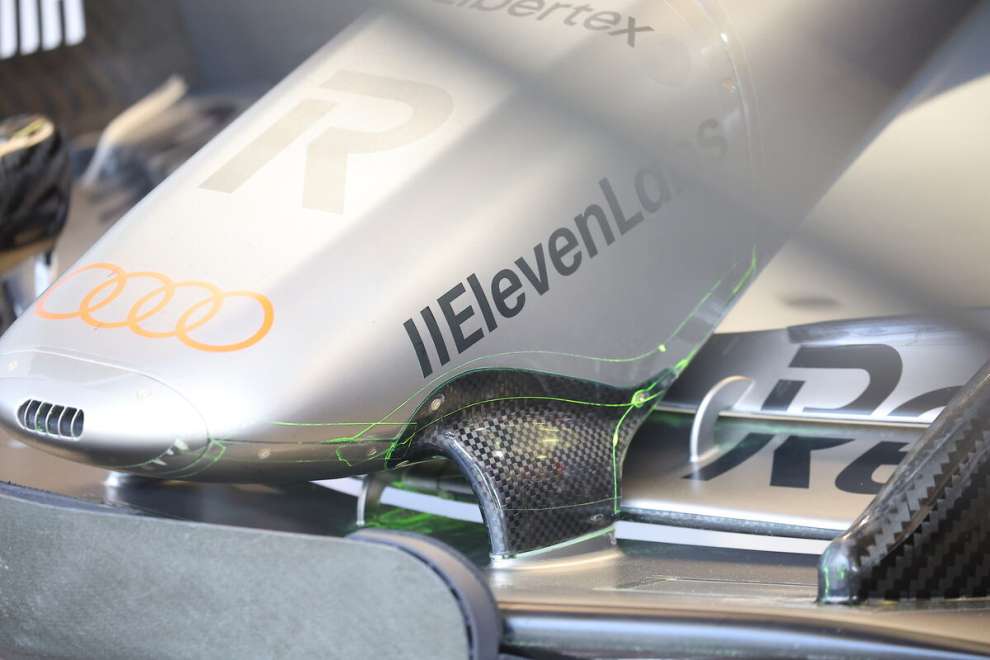
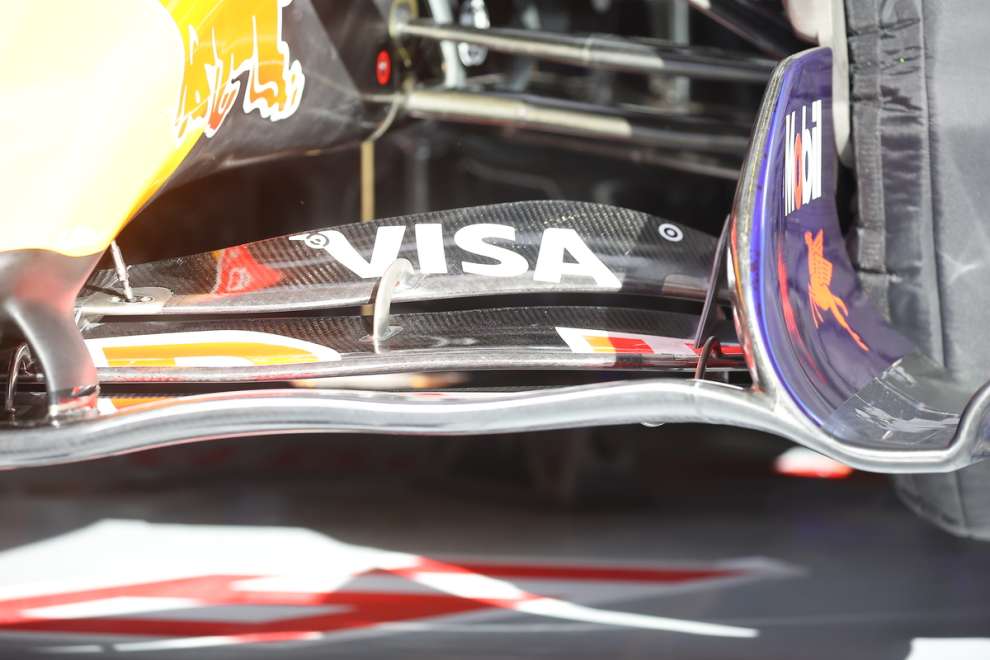
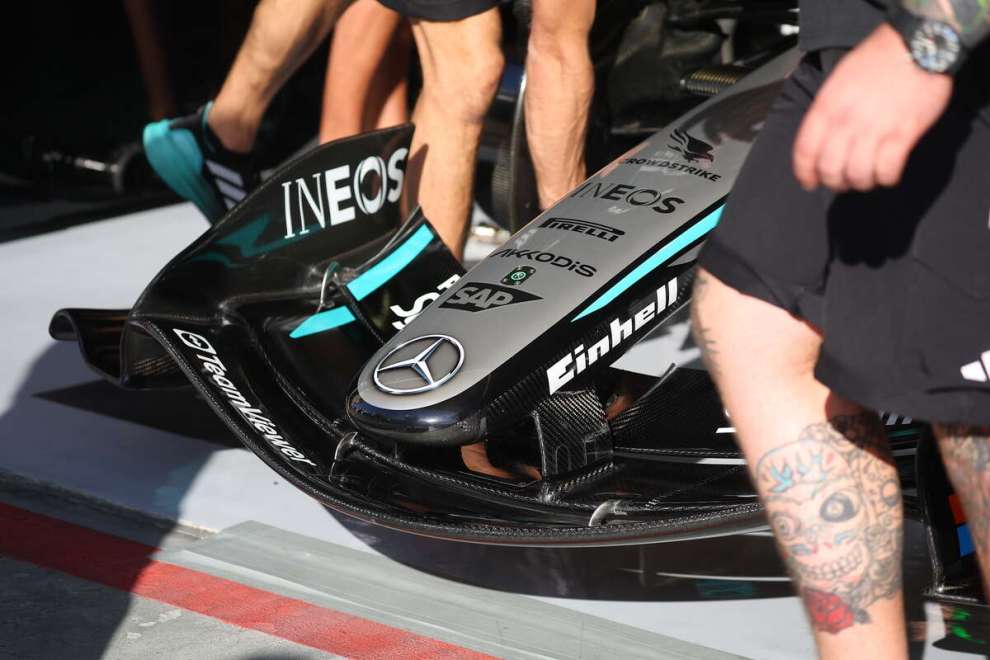
The front wing is one of the most important elements of a Formula 1, structuring the flows that then interact with the rest of the car. Whoever hits in this area is Red Bullwhich rejects a spoon wing, developing one with a wavy main profile. As far as active aerodynamics are concerned, however, they stand out Mercedes and Aston Martin. Both did not follow the most intuitive path, that of using two mobile profiles, but anchored the nose to the second element, limiting the opening to only the last flap.
Front intakes (Ferrari, Mercedes, Williams)
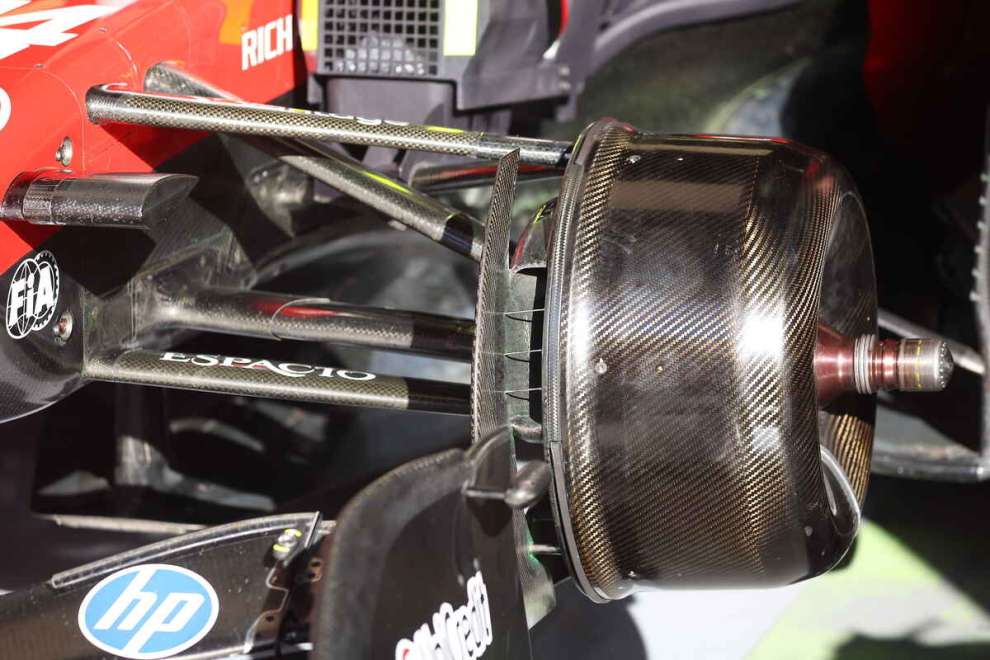
Another novelty of the new cars is the presence of a carbon structure inside each front wheel, to protect against debris. Ferrari, Mercedes and Williams were the only ones to design their own brake cooling ducts within its perimeterwith a narrow and tall entrance section, very different from traditional shapes. Replicating it will be possible, but not immediate, requiring adequate sizing of the braking system and careful channeling of the flows from the front wing.
Front suspension (McLaren, Aston Martin, Red Bull)
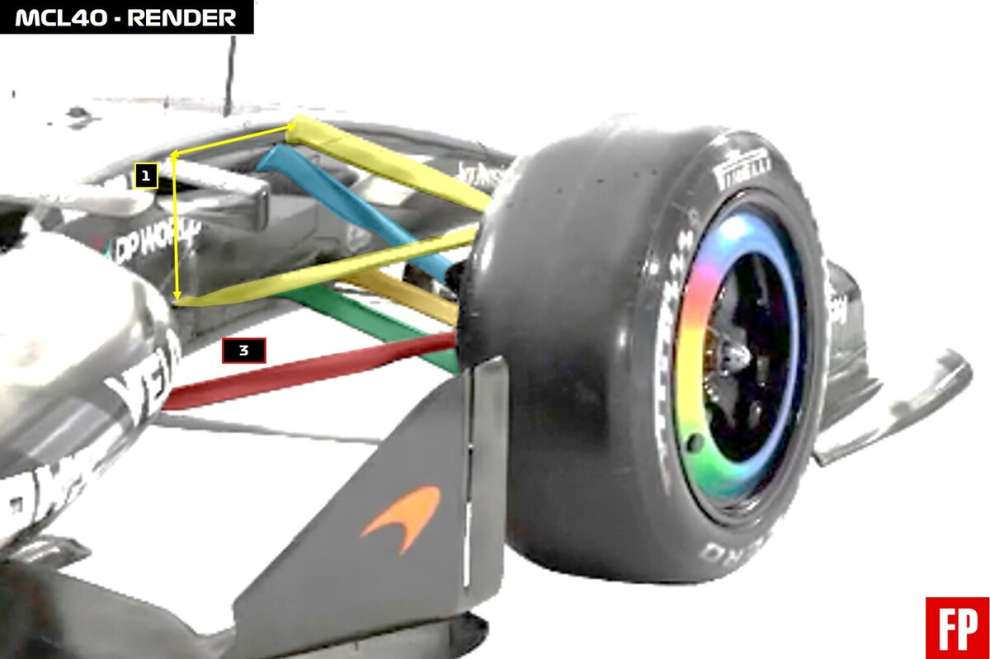
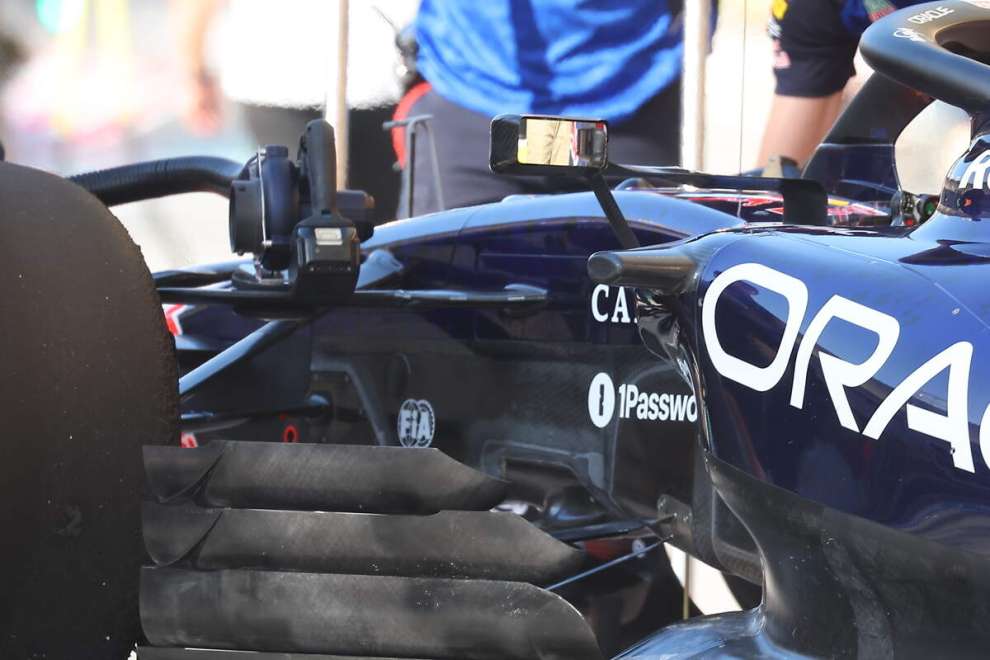
In a Formula 1 that has banned aerodynamic appendages in the center of the car after 2021, the front suspension arms have remained the only elements interposed between the wing and the bottom, having great importance for the management of flows. In 2026, everyone has now embraced the practice of tilting and lengthening the arms for aerodynamic purposes, with two teams standing out above the others. The Aston Martin is the most extreme car for the upper triangle geometrieswhile McLaren has lengthened the rear lower element beyond belief. That’s when it hits Red Bull’s unconventional choiceamong the most advanced in this field until 2025. The RB22, on the other hand, is now the most conservative car with regards to the upper suspension arms, perhaps a symptom of an unprecedented management of the flows collected by the front.
Fund (Red Bull, Ferrari, Audi)
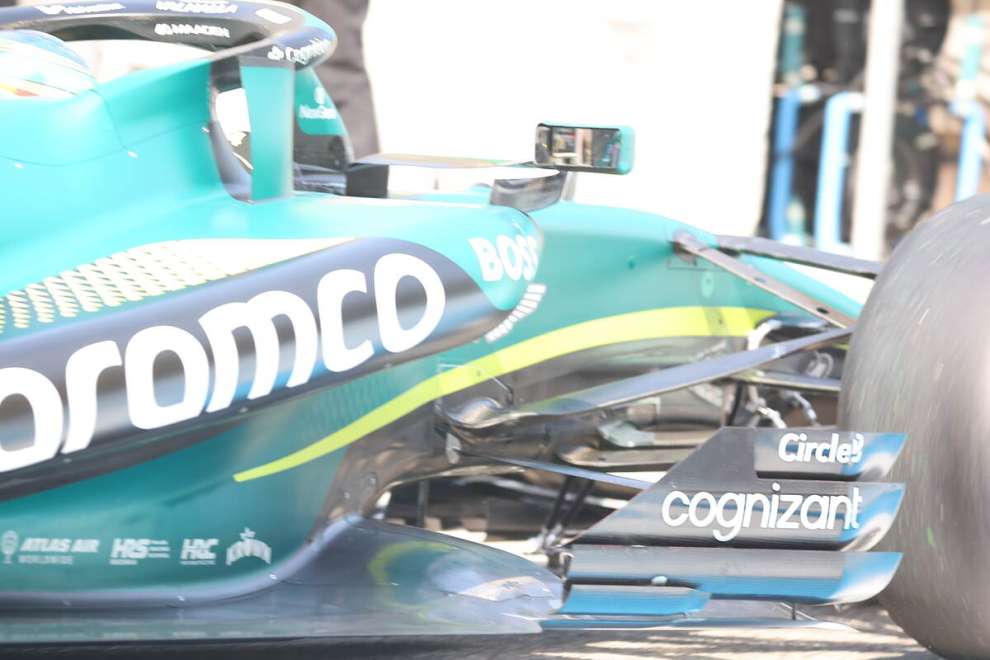
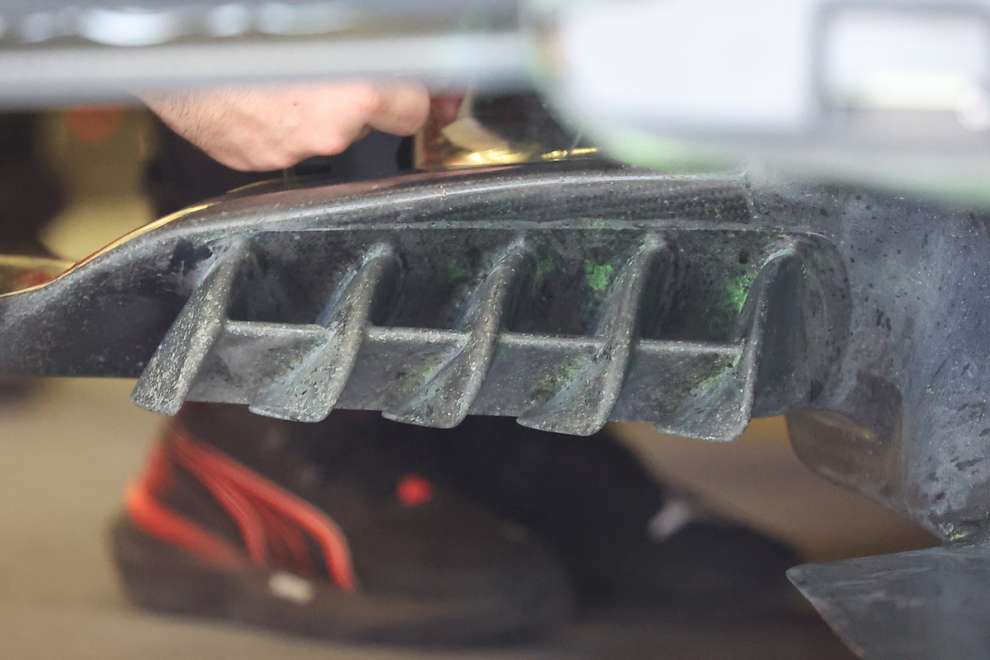
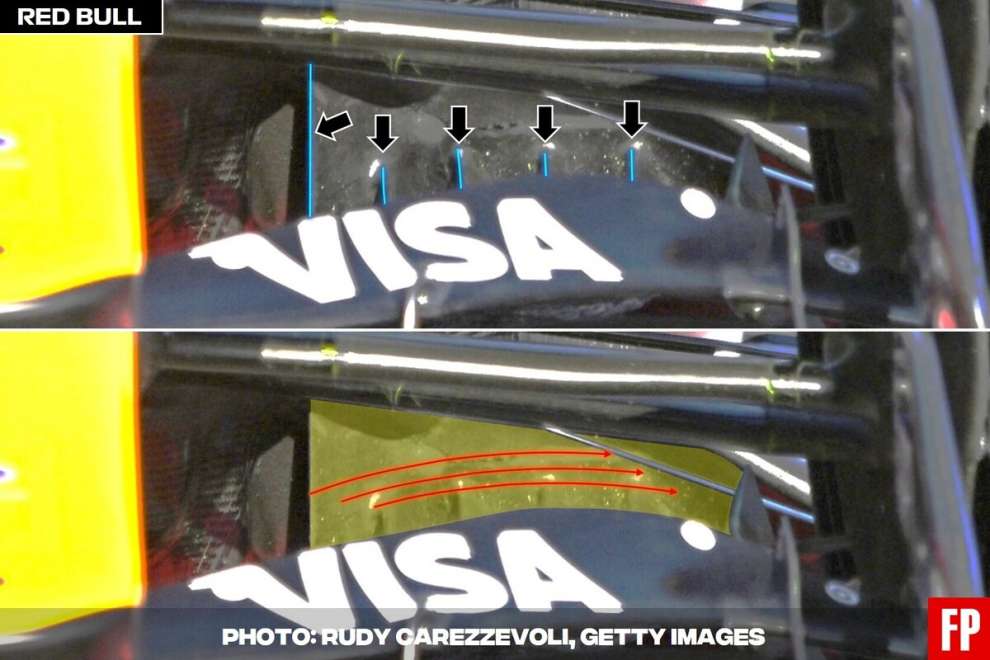
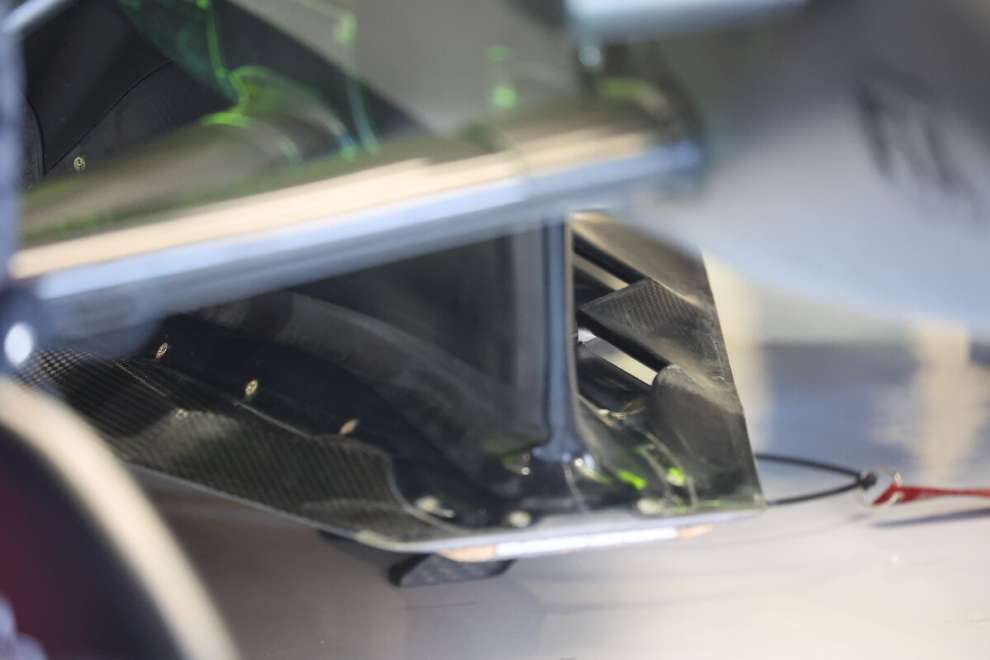
With the elimination of the Venturi channels, the inlet section of the bottom is now smaller and with it also the flow diverters inside it. In this area Ferrari strikeswhich added a bridge structure between the five vertical elements, and even more so the Red Bullwhose innermost bulkhead curves outwards. In Milton Keynes they managed to partially replicate the outwash effect, diverting the flows laterally to remove the turbulence coming from the front wheels. Audi also stands outwhose leading edge of the central part of the bottom is surmounted by a sophisticated blowing.
Bodywork (Red Bull, Audi, Aston Martin)
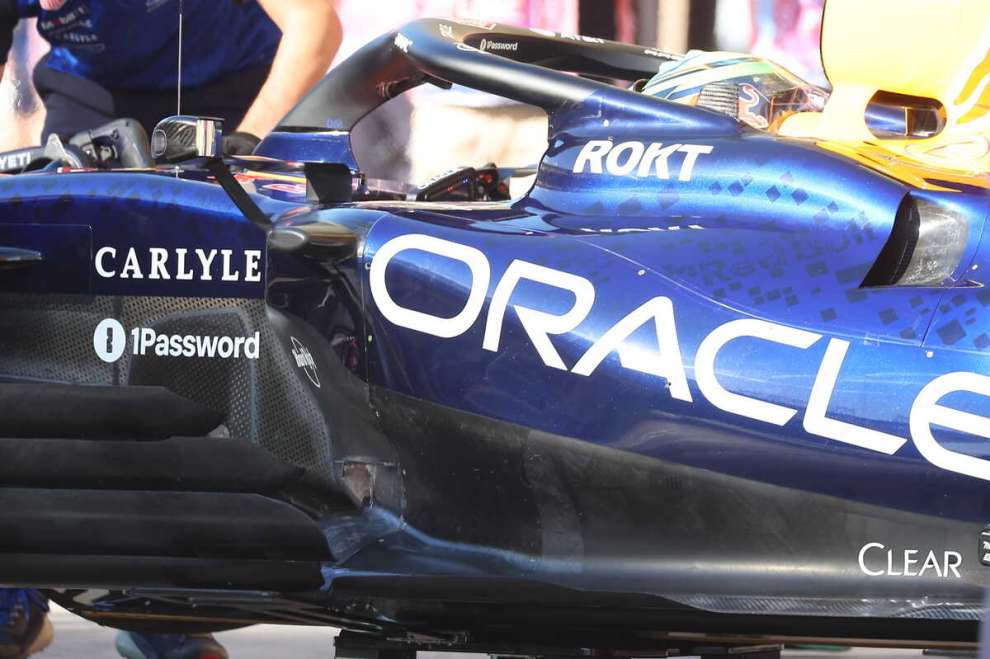
The sides are another very important area for channeling flows towards the rear and for shielding the bottom from external turbulence, encouraging teams to play with the surfaces. Red Bull is still intriguingwith a narrower bodywork than its competitors, so much so that the upper anti-intrusion cone protrudes from the belly, denoting a counter-current aerodynamic philosophy. Audi is also interesting, which with the first update package redesigned the radiator intakes, now vertical, giving the side a curved design that accentuates the outwash effect. Aston Martinon the other hand, presents a more traditional flat-bellied layout, but is striking for the slenderness of its lines, denoting an extreme packaging of the components under the bonnet.
Rear axle (Aston Martin, Ferrari, Cadillac)
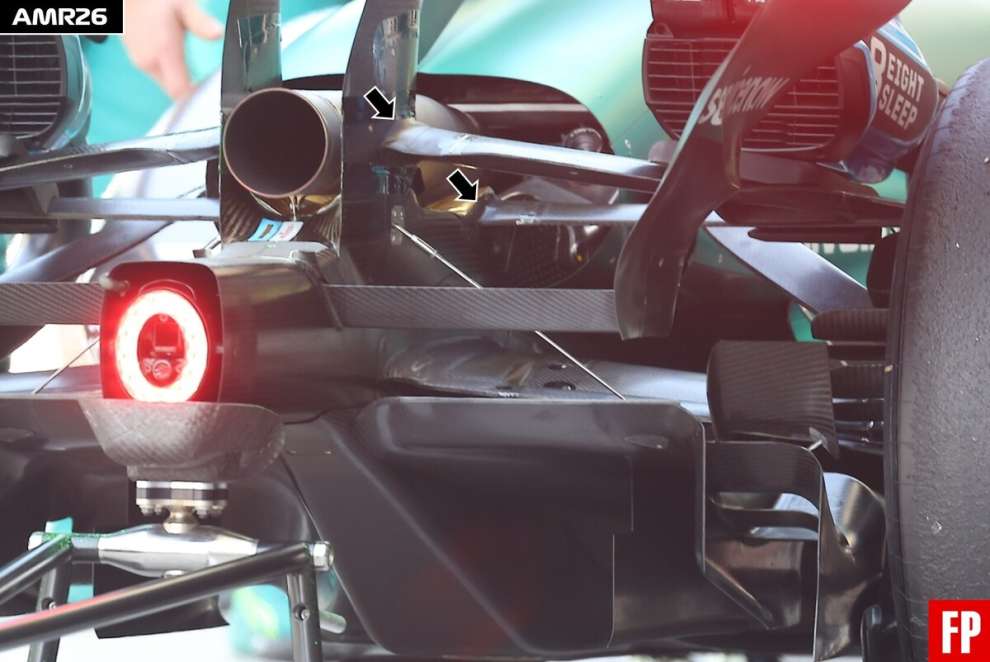
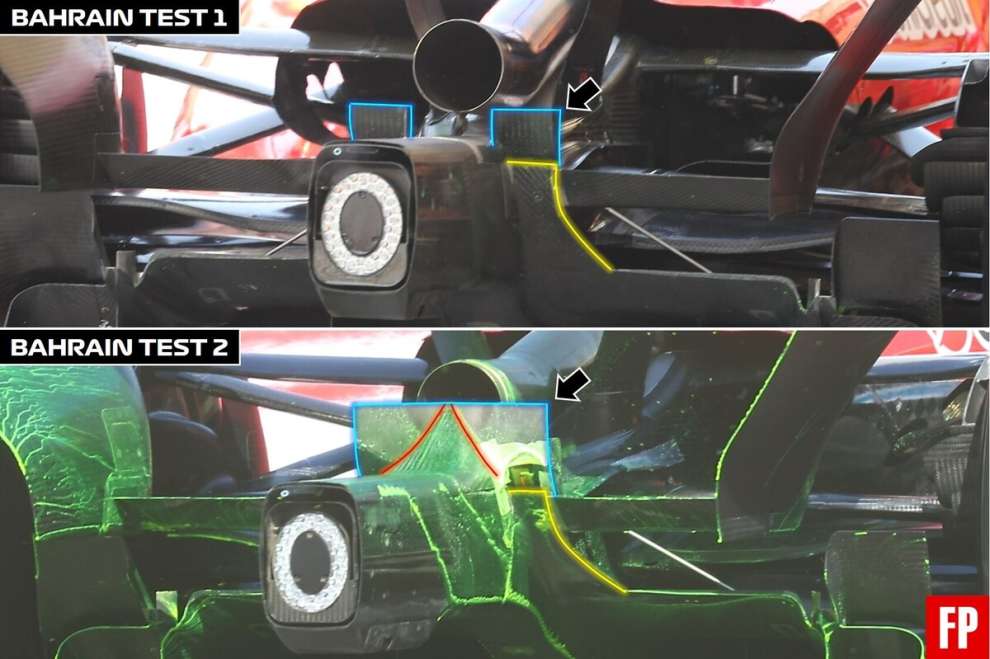
Another distinctive feature ofAston Martin it is the rear suspension, whose upper triangle even hooks up to the wing pylons to free up space and facilitate the circulation of flows. What can we say, then, about Ferrariwhich moved the gears back to install a flap above the diffuser in front of the exhaust terminal, respecting the maximum regulatory distance of 60 mm from the differential. In the end, an honorable mention goes to Cadillacnot so much for creativity, but for courage. Unlike Haas, the rookie chose right from the start to develop its own rear suspension in-house, limiting itself to purchasing only the gearbox from Ferrari, undertaking a further challenging project despite all the difficulties of a debut team.
Movable rear wing (Ferrari, Alpine, Audi)
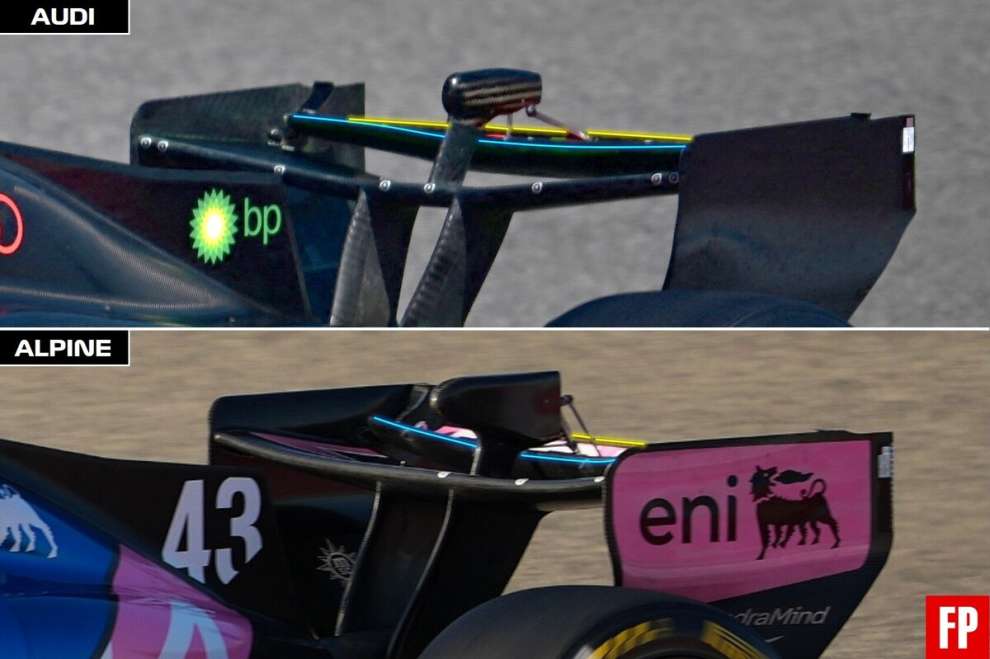
With the new regulations, the FIA encouraged the free development of solutions that reduced aerodynamic resistance and with it consumption. Judging by the findings in the field of active aerodynamics, especially at the rear, the objective seems to have been achieved. Alpinefor example, proposes a system which, instead of raising the leading edge of the wing, lowers the rear one, while Audi has a mechanism that opens the flaps in an oblique position.
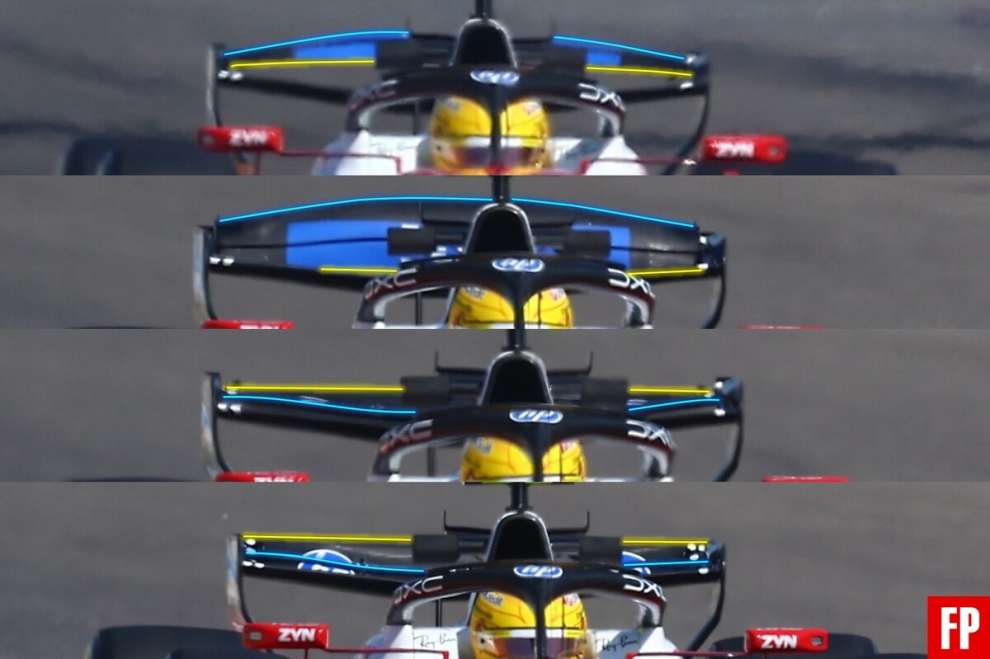
Ferrari also caused a great stirwho in Bahrain tested the “Macarena” for a few laps, a mobile wing that completely reverses the profiles in a straight line. Vasseur said it was simply a test, with the race debut likely to take place in Melbourne later. What is certain is that new cars are full of interesting ideas and it is only a matter of time before everyone takes inspiration from others.