





The many questions will find their first answers in Australia, the opening stage of one of the world championships with the most unknowns ever. A very hectic race is expectedbetween the departures still to be finalized and the energy management which promises to be critical in Melbourne. The winner at Albert Park will not only be whoever has the most performance to bring out after the hide-and-seek tests, but whoever will be able to adapt to a radically different track and will be the first to learn to manage the innovations of a revolutionized Formula 1.
The track
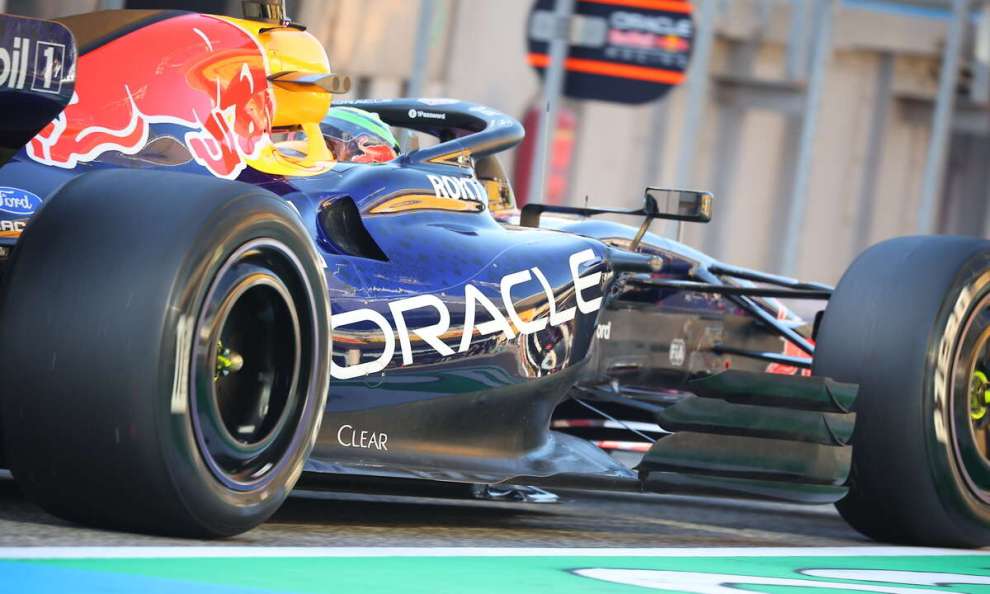
Unlike the ground-effect era, the new cars appear more docile and easier to balance, less prone to those big leaps in competitiveness from one race to the next that we witnessed last year. This does not mean that Melbourne will highlight different qualities in the comparison with Bahrain. The Australian track is not as limiting for the rear axle, lacking in those hairpin bends that instead abounded in the Middle East. Red Bull is happy, having already admitted that it can’t digest slow corners, while Ferrari-powered people don’t smile much. The Australian circuit gives less value to a power unit that performs better in acceleration such as that of Maranello, giving more emphasis to absolute power and top speed.
At Albert Park it is important to have a precise car when changing direction quicklywithout putting too much stress on the front, but at the same time capable of managing the rear tires in the technical final sector, as McLaren demonstrated in 2025. Typically the Australian track requires a medium-low downforce configuration and it will be interesting to see what the choices will be this year. If in the past the optimal load depended on the compromise between cornering and straight-line speed, now it is also necessary to evaluate its impact on energy consumption.
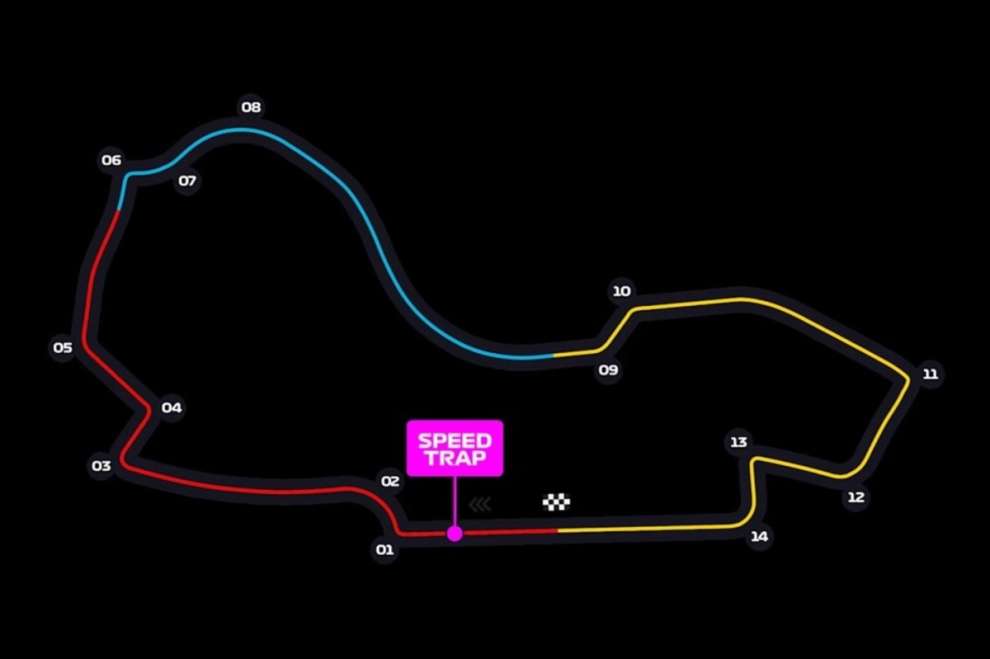
Battery management promises to be critical in Australia. The long straights and the high average speed, which in 2025 exceeded 250 km/h in qualifying, increase energy expenditure, while the few braking areas offer little opportunity to recharge. Teams and drivers will be forced to resort to various strategies to recover energyhow to lift the foot or cut the power on the forehand, even in qualifying.
The unknowns of the weekend
History teaches that over time teams always learn to manage the problems of a new regulation, but the first races could be a bit messy, especially the inaugural one. No one has fully mastered energy management yetwhich is why you might see very different charging techniques. Another theme will be understanding the difficulties of overtaking, on which the importance of the position advantage and the possibility of setting up a race with one or more stops will depend. The Safety Cars will have to be taken into account, given the youth of the new cars and the high probability that some may encounter reliability problems.
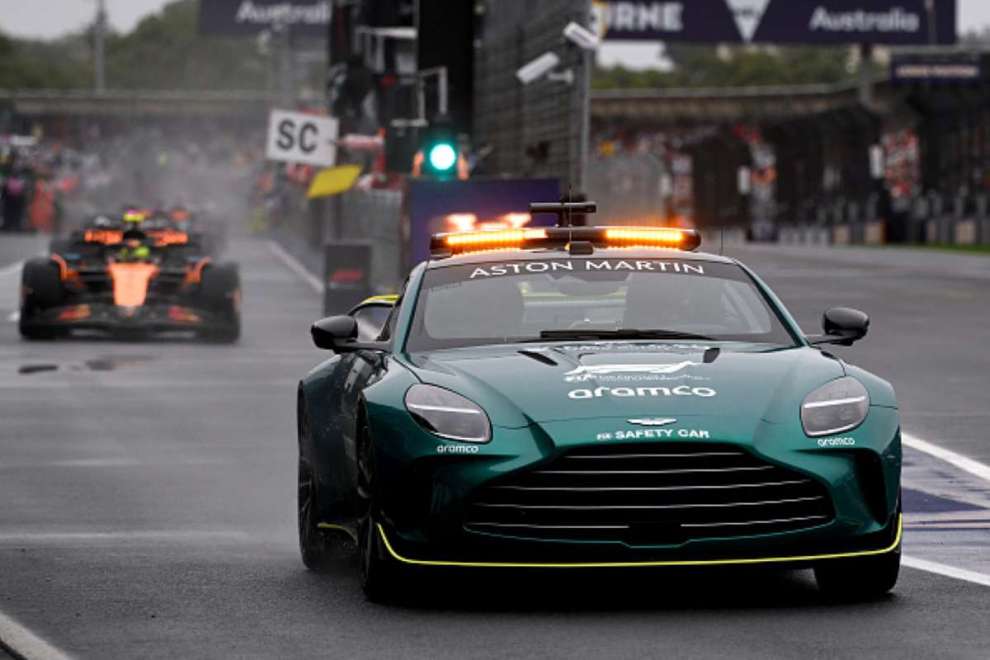
The starting phase will also remain to be seen. The FIA has lengthened the procedure to help rev up the turbo and reach a pressure high enough to start without stalling, with the hope that no one gets stuck on the grid. The Ferrari power unit, credited with a smaller turbine and greater responsiveness at low revs, gave signs of a good advantage at the start, which will be interesting to confirm and quantify.
The qualification
Last, not least, there is the variable of new tyres. Pirelli brings the softest compounds to the range, C3, C4 and C5, exactly like last year, with the difference that it is a completely redesigned product. The teams have already tried the new tires in tests, but the techniques for making good use of the tires vary from track to track. In Bahrain, for example, the tires work on one of the most abrasive asphalts in the world, where mechanical grip reigns supreme, while on the smoother surface of Melbourne, adhesive grip will count above all.
The special observation will be the softest compound, the C5, which the teams used least of all during the tests. Making it work will be one of the keys to qualifying, when a further theme also presents itself. To get the tires up to temperature, a preparation lap at high speed is always necessary, but Pirelli has already encountered a peculiarity. The need to charge the battery to the maximum before launching forces a moderate pace on the lap out of the pits, which certainly doesn’t help to warm up the tires.
Updates coming soon
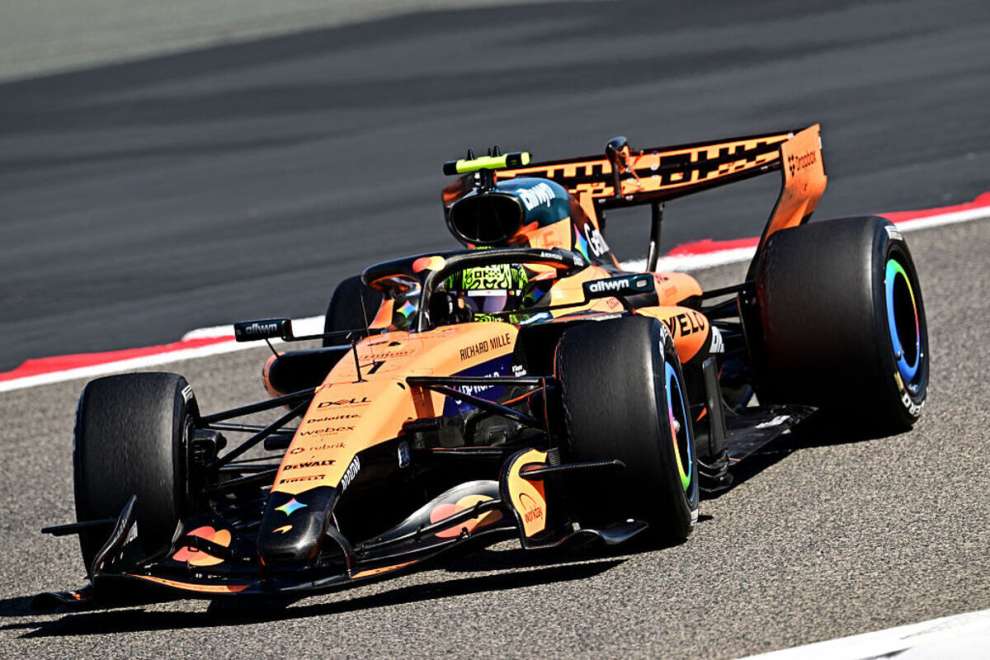
It will also be a weekend of great interest on a technical level. In Melbourne the obligation to use new sustainable fuels will come into forceafter the exemption granted to the tests to allow more time for their approval. It is very likely that updates will arrive on the cars, with Andrea Stella having already said that McLaren will fit lightened components to get closer to the minimum weight. There is also great curiosity to see if Ferrari will use the Macarena, the inverted mobile wing tested in Bahrain, which would be of great use on a critical track for energy management.
The updates remind us that never before this year the verdict of the first race will not necessarily correspond to that of the end of the year. The teams have ample margins for growth ahead of them, anticipating a championship to be played on development, where the winner will be whoever learns to exploit the new variables first. However, everyone is eager to find out where they really stand compared to their rivals, a curiosity that will finally be answered in Australia.