A fundamental mission
How to save Formula 1 qualifying? This seems to be the most debated and controversial point within the Circus after the first experiments which showcased the defects of the new technical regulation launched this year. The Chinese GP and the duels between Lewis Hamilton and Charles Leclerc demonstrated that the races can prove fun to follow even with this new 50-50 split between internal combustion and electric engines, but the most worrying situation is that concerning qualifications.
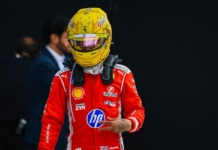
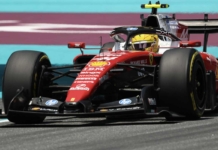
Leclerc himself – who over the years has built a reputation as a very skilled qualifier – became the symbol of these problems when he was seen in Shanghai ruining a potentially great ride by his SF-26’s software which was sent into crisis by a spin from the Monegasque exiting turn 10: that moment in which the Ferrari driver lifted his foot from the accelerator, in order to maintain control of his car pushed to the limit with the aim of improving his time, sent the ‘big brain’ which has the task of delivering the single-seater’s electric power and optimizing the use of energy into overdrive.
This left the Ferrari standard bearer without push on the back straight of the circuit: the Monegasque’s SF-26 started to lose power, nullifying all the efforts made by Leclerc in the rest of the lap. At the end of qualifying, with bitterness, Leclerc noted that trying to push to the limit and even beyond on the flying lap with these cars is no longer useful to snatch the best possible position on the grid. Paradoxically, one pays more smooth and constant drivingwithout any flashes, which however is the antithesis of the ‘crazy lap’ in qualifying.
Difficult but possible solution (going back)
As revealed by the site The Race the priority of all the souls of F1 right now is solve this problemwhich annoys not only the drivers but also the enthusiasts, and bring the qualifying back to what it should be: an exercise in which push every component of the car to the maximum to bring home the best time. But how can we implement the technical regulations to achieve this result?
Unfortunately the task is not simple. The most immediate solution – and one which has already been discussed at length – would be that of change the power delivery ratio between the combustion engine and the electric one for qualifications. Lowering the maximum use power of the battery from 350 to 200 kW would allow power to be delivered for a greater portion of the lap, thus reducing the phenomenon of superclipping. However, the cars would go slower overall on a single lap: not the best, given that the objective is to make qualifying more heart-in-mouth.
At this point therefore a further corrective would be to compensate for the reduction in electric thrust with an increase in the contribution of the internal combustion engine – effectively taking a step back towards what were the power units of the previous generation – perhaps also increasing the maximum flow rate of fuel that can be fed to the combustion engine only for qualifying. If this plan finds broad consensus and goes through, the objective is to make it effective after the forced break from the races in April, therefore starting from the Miami GP at the beginning of May.