




AAA research finds EV range drops 39% in cold, 8.5% in heat. Learn why winter efficiency remains unchanged and get practical tips for cold-weather driving.
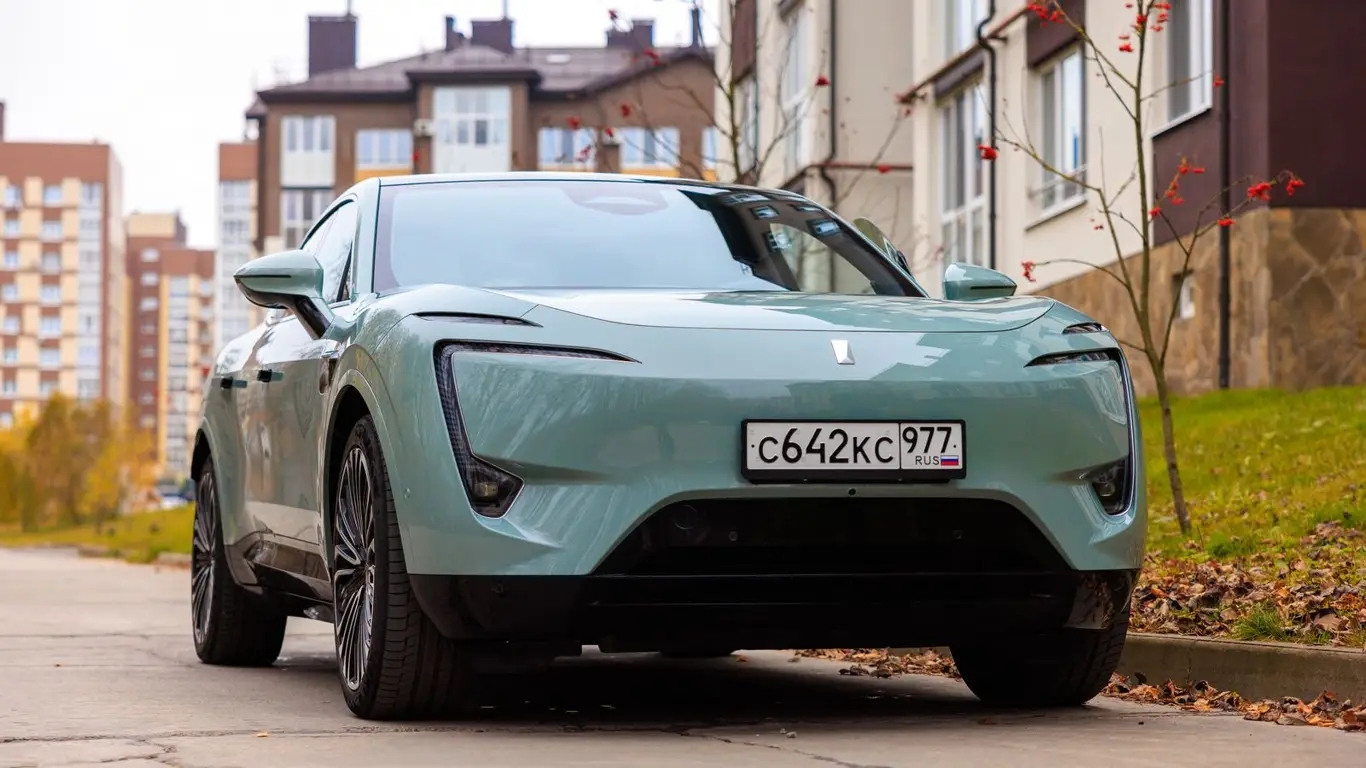
The testing took place at AAA’s Los Angeles research center, where cars were strapped onto a dynamometer—essentially a treadmill for vehicles—inside a climate-controlled chamber. Temperatures could be adjusted from minus 6 to 35 degrees Celsius. Each vehicle ran until the battery charge dropped so low that it could no longer sustain highway speeds.Much like humans, EV batteries have an ideal comfort zone: roughly 18 to 24 degrees Celsius. Outside that range, the battery works less efficiently, and some energy is diverted to heating or cooling the cabin.There has been clear progress when it comes to heat. In a similar AAA test back in 2019, high temperatures caused a range loss of around 17 percent; now it’s just 8.5 percent. Cold weather, however, tells a different story. Greg Bannon, AAA’s director of automotive engineering, noted that despite advances in battery chemistry, software, and overall efficiency, winter losses have remained essentially unchanged.A. KrivonosovCold doesn’t only hurt EVs. AAA also tested hybrids and found an average fuel economy drop of nearly 23 percent at minus 7 degrees. AutoPacific analyst Ed Kim pointed out that gasoline cars also lose efficiency in winter; EPA estimates suggest fuel consumption can increase by 10 to 30 percent depending on the trip.The practical takeaway is straightforward: EVs can absolutely handle cold climates, but you need to plan with a healthy buffer. Norway serves as a telling example—despite its frigid winters, pure electric vehicles made up 98 percent of new car sales in March 2026, proving that frost alone is no obstacle to mass adoption.A few smart habits go a long way. Precondition the cabin and battery while the car is still plugged in, lean on seat heaters rather than cranking up the cabin heat, keep tires properly inflated, and avoid driving faster than necessary. On longer winter trips, it pays to map out charging stops in advance—and to remember that a cold battery charges more slowly.
Automobile Magazine – USA