Great champions know how to seize opportunities when they arise. Antonelli demonstrates that he also has this quality, taking advantage of the Safety Car to capitalize on his superiority in a weekend in which he was the fastest from the first to the last lap. Instead, George Russell wastes it, with a Mercedes that still boasts by far the best car, but which fears seeing its advantage disappear when it returns from the break. Everything will depend on how much Ferrari and McLaren manage to recover with development, also taking advantage of any changes to the regulations.
Antonelli world leader
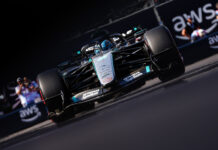
Antonelli’s race doesn’t start in the best way, sixth on the first lap after starting from pole. The start is the only mistake of the Italian’s weekend, this time not due to incorrect management of the turbo, but rather due to the aggressive release of the clutch, transmitting too much power to the wheels until they spin. Kimi, however, remained lucid, climbing back to third position, and then took advantage of the timely entry of the Safety Car to make his stop. It’s impossible to say whether without the help of fate the Italian would have managed to overcome Piastri and Russell, but there is no doubt that in Suzuka he was the fastest on the track. In the three laps in free air before the neutralization, Antonelli recovered 1.7 seconds from his teammate, while in the second fraction he ran with surprising consistency, completing eight consecutive passes at the same times, with an accuracy of a tenth of a second.
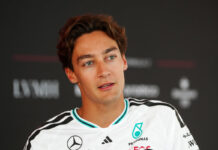
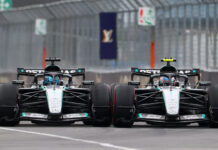
The new world championship leader beats George Russell on a track whose many fast corners should have favored the Briton. All weekend long, the English driver is never at ease with the Mercedesso much so that some changes were made to the set-up before qualifying, which later proved to be counterproductive. Russell is also unlucky with the Safety Car, but unlike the Italian he has a lot to blame himself for. At the restart George tails out of the last chicane, also immediately finding himself running out of energy and handing the position to Hamilton. A little later, Leclerc also took advantage of an anomalous charging moment of his Mercedes, for which it is not clear whether Russell was responsible, by mistakenly discharging the battery. These are all mistakes that Mercedes will no longer be able to afford, with Ferrari and McLaren now ready to take advantage of them.
McLaren grows more than Ferrari
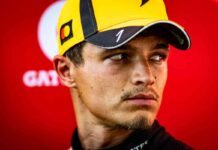
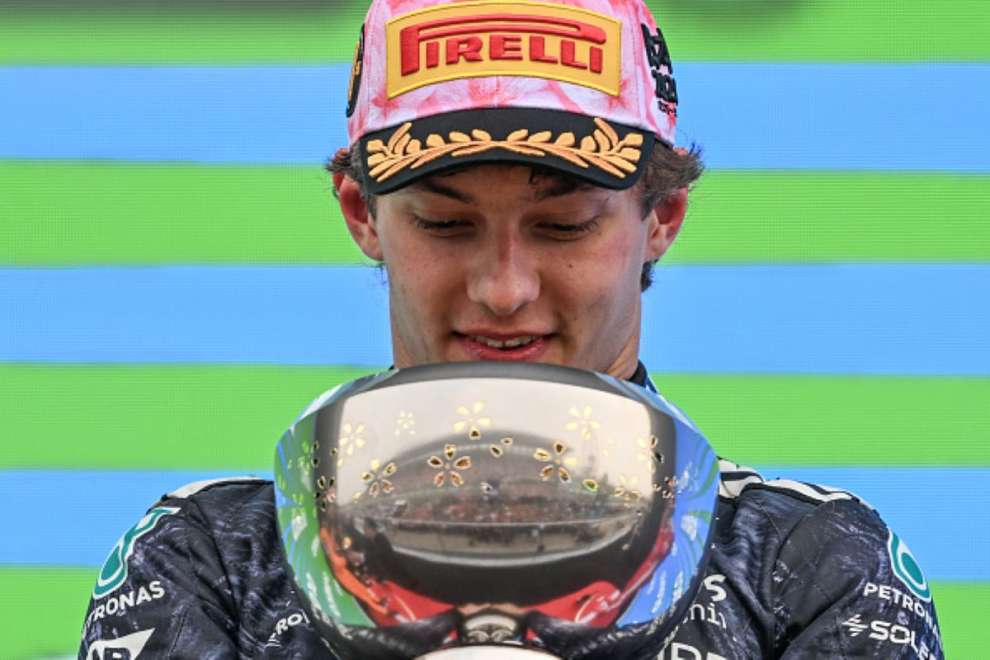
In his first participation in a Grand Prix in 2026, Oscar Piastri gives McLaren its first podium. The Australian made an excellent start, also managing to defend his position on Leclerc’s attacking Ferrari. The driver from Melbourne is also right in believing in the possibility of keeping Russell’s Mercedes behindso much so that it leads one to wonder whether, without the Safety Car, victory would not have been possible. It is the demonstration of how, in this Formula 1, traveling in free air is still an advantage, rewarding the most skilled in qualifying and at the start.
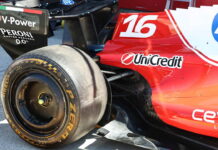
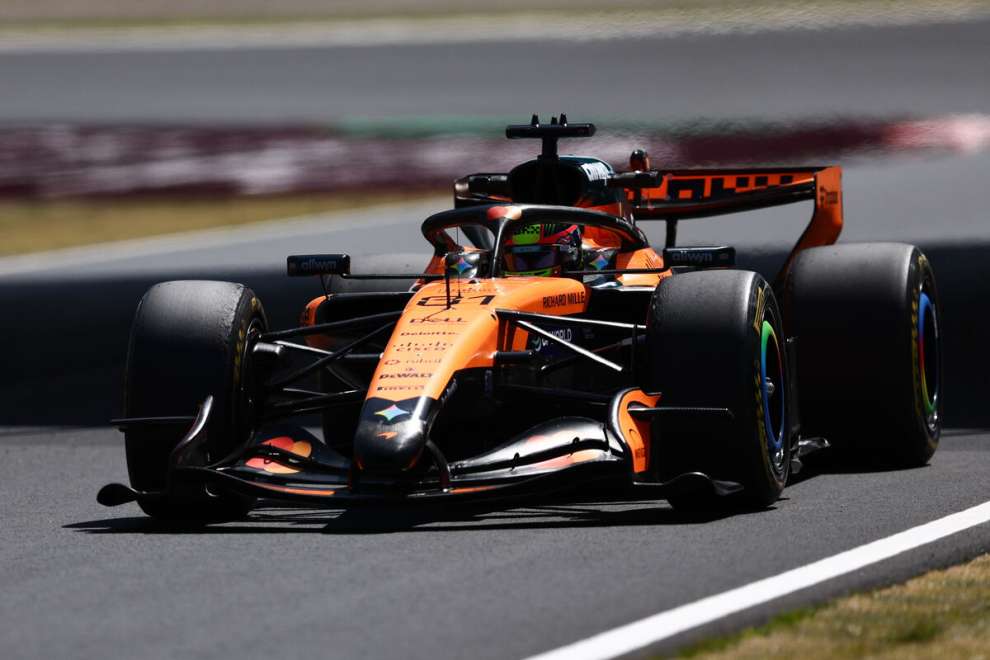
McLaren, however, also expresses an excellent pace, even higher than expected. For the first time this year, the limiting factor for the tires at Suzuka is thermal degradation, accentuated by a particularly hot track, fluctuating between 37 and 30°C. As in past years, papaya machines prove to be effective in this areasuffering more from graining, which was evident in the first two races. Woking’s progress, however, also arises from energy management. It wasn’t the provision of any updated software that made the difference, but rather the development of better strategies for using the battery, now knowing better the behavior of the Mercedes power unit.
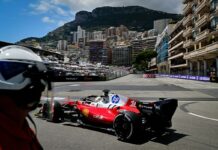
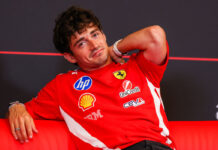
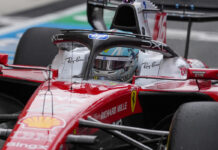
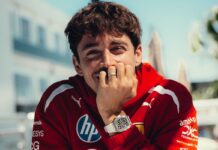
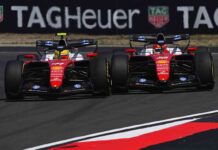
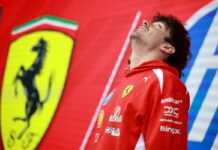
Ferrari also celebrates a new podium, although this time without maximizing its advantage at the start. On the contrary, as already observed in China, the SF-26s seem to struggle with energy management in the first few lapsand then recover once the rhythm and battery usage stabilize. Leclerc, however, penalized by the Safety Car, managed to finish in front of the Mercedes, even expressing a slightly better pace than Piastri towards the end. The Monegasque’s only demerit in Japan is his failure to adapt to the new way of driving in qualifying, however frustrating this is.
Vasseur and “the new championship”
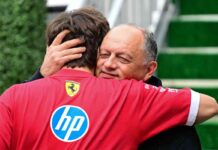
Formula 1 is now taking a month off from racing. The cancellation of the April races comes at Mercedes’ worst momentwho hoped to capitalize on the technical advantage in this first part of the season. Vasseur claims that in Miami “a new championship will begin”hoping that development can call hierarchies into question. The aerodynamic updates will play an important role, especially for McLaren, the only one to have raced so far with the same package as the first tests in Barcelona. Equally relevant will be everyone’s efforts to achieve the minimum weight and above all the development of energy management strategies, among the most important elements of this regulation.
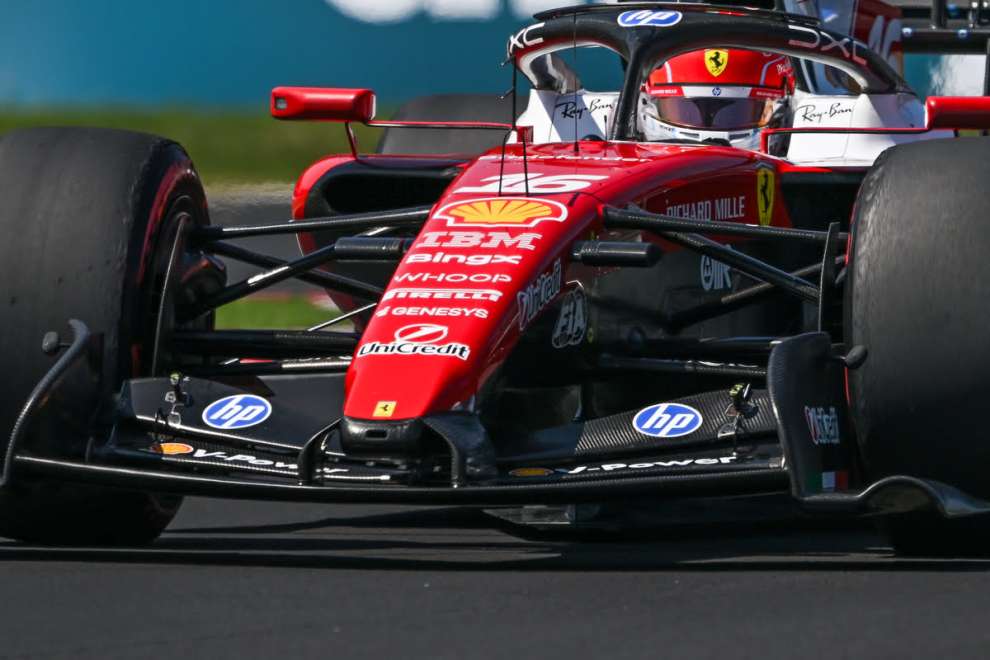
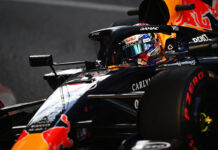
As for Ferrari, there is also an opportunity to make up ground on the engine side as well. In Maranello there are not great hopes for the new tests to verify the compression ratio from 1 June, while there is hope of falling within the ADUO window, which would allow the introduction of an updated engine starting from Canada or Barcelona, depending on what the FIA decides. Red Bull is also aiming to develop the power unit, although the RB22’s problems also arise from the chassis. The priority in Milton Keynes will be to at least emerge from the mid-group battle, which is currently very crowded with the various Racing Bulls, Haas, Audi and Alpine.
Regulations under discussion
The evolution of power relations is also linked to any corrections that the FIA and the teams will make to the regulations. The dynamics in the race are not particularly a problem, given that in many cases you get to play for position when braking and cornering, resulting in overtaking worthy of the name. There still continue to be some changes of position on the straight with an artificial aftertaste, which are also present with the old DRS. If anything, we will need to intervene on clipping as soon as possiblecausing large speed differences, which the Bearman accident demonstrated to be very dangerous.
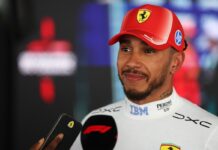
For qualification, however, changes are urgently needed that allow pilots to push without too many second thoughts about energy managementat least in the guided sections. Hamilton’s comments are interesting, according to which in Suzuka it was possible to push up to turn 6, after which management logic came into play. It is no coincidence, given that in the first sector the FIA had removed the obligation to use the electric motor at full power in the full throttle sections. Disconnecting the dosage of the accelerator from the use of the battery could be the right way to restore emphasis on the qualification and creativity of the pilots. The only certainty is that many things could change in April, one more reason for Antonelli to enjoy an entire month from the world championship leader.