The FIA press release
Show in competition ok, but depressing qualification because the drivers cannot push hard for even one lap: this can be the summary of the impact of the 2026 rules on the most important sessions of the F1 weekend. As we reported yesterday, the FIA, the FOM and the teams are working to find effective solutions to the obvious and structural limitations of the 2026 F1 with regards to single lap performance in qualifying.
The margin for maneuver is not large, Nick Tombazis after Australia he had spoken about tricks up his sleeve to intervene on the regulations and the most credible way to give a little more liveliness to these cars in qualifying seems to be to increase the quantity of petrol used by the combustion engine via the flow meter, consequently increasing the performance of this component to counteract the inability of the electrical part to provide sufficient energy to allow the drivers to push from the first to the last meter on the flying lap.
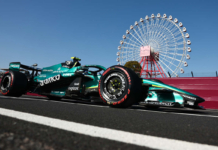
While waiting for a definitive solution for the Japanese GP in Suzuka it was decided to reduce from 9 to 8 Mega Joules the maximum battery charge to counteract the use of lift and coast by the drivers in the qualifying lap. “The FIA, Formula 1’s governing body, has announced a small change to energy management parameters for qualifying for this weekend’s Japanese Grand Prix – says the official note released by F1 – the motorists (Mercedes, Ferrari, Red Bull Ford, Audi and Honda) have unanimously agreed to a reduction in the maximum energy charging allowed for qualifying at Suzuka from 9 megajoules to 8 megajoules. The FIA stated that thiswill ensure that the intended balance between energy use and pilot performance is maintained‘. The change means drivers will store less energy to charge the battery on the straights during qualifying, which in turn means they will spend less time at partial throttle and make less use of lifting their foot off the accelerator and decelerating (the lift and coast, ed). This change reflects feedback received from drivers and teams, who highlighted the importance of keeping qualifying as a performance challenge.”