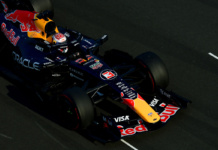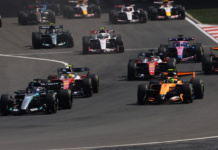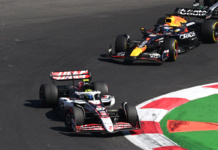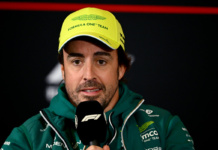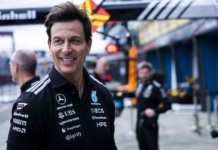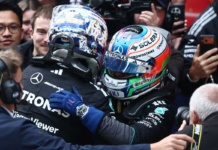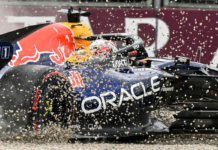
The new Formula 1 receives criticism from numerous drivers, the most direct of which is, without a doubt, Max Verstappen. The dissatisfaction is with the qualification, now distorted compared to what was the ultimate test of driving talent, and with the overtaking. Energy management carries too much weight, giving on-track battles a feeling of artificialitywith Charles Leclerc who first renamed modern Grands Prix as Mario Kart races. To remedy this, the FIA would need to limit the freedom to supply electric power, but it remains to be seen whether this meets the interests of Formula 1.
The precedent of the DRS
From one extreme to the other. Formula 1 went from races that were stingy with overtaking, a difficulty that also undermined strategies, to Grands Prix with continuous rotations, where, however, rather than duels, we should talk about exchanges of positions. Leclerc compared them to the races in the famous video game Mario Kart, while the English press called them yo-yo overtaking. If the attacker runs out of battery on a straight line, he can easily overtake those in front of him before reaching the braking point, in a sort of motorway overtaking. In doing so, however, he then finds himself running out of energy, exposing himself to the counterattack of the defender, who can regain his position just as easily.
Managing energy is a truly strategic element and, upon closer inspection, if well calibrated, it could even prove to be a salvation for the show. Single-seater racing, especially Formula 1, has the chronic problem of aerodynamic disturbance. Whoever attacks, once arriving in the wake of another car, encounters a real invisible wall, risking being condemned to an eternal chase. In the last decade it was therefore decided to give the attacker a tool that compensated for this disadvantage, the famous DRS.
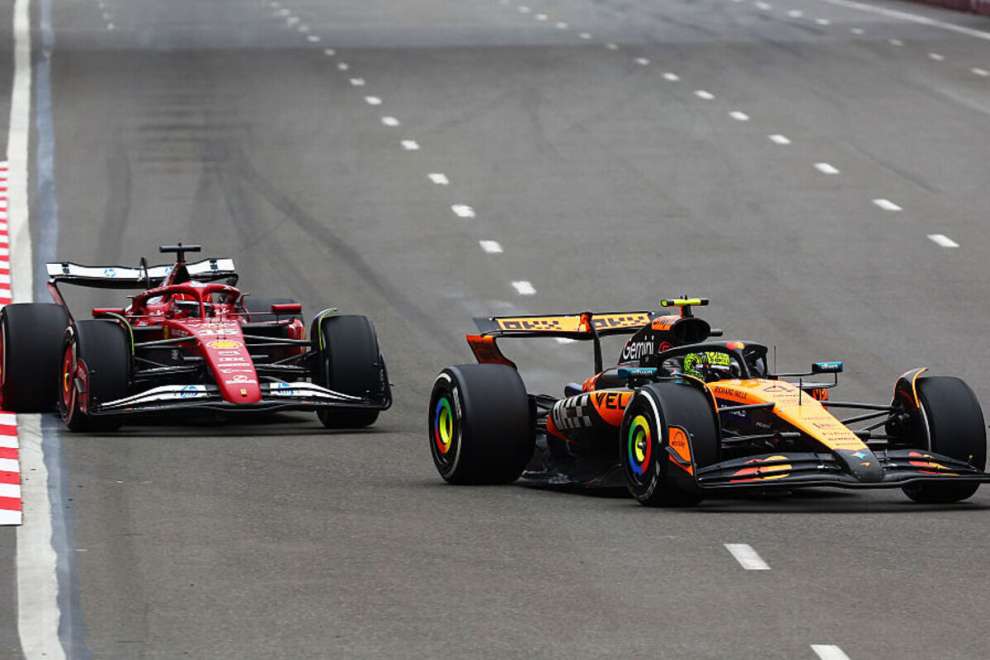
Recently, however, Juan Pablo Montoya recalled that even the duels with the DRS could appear fake. In fact, it happened that the mobile rear wing was so effective that the exchanges of positions were concluded already halfway down the straight, with motorway dynamics similar to the current one. As the years went by, the FIA then took the measurescorrecting the length of the activation zones to make overtaking possible without making it too easy, an approach, if desired, also applicable to the current scenario.
Lessons from China
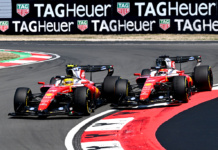
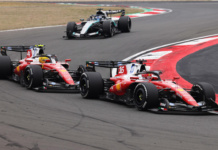
With the abolition of the DRS, freedom in the use of electric power has become the main tool for overcoming the aerodynamic wall of dirty air. The difficulty lies in preventing the attacker from overtaking on the straight and instead the duelists arrive close enough to the braking point to compete for position in the corner. In China there have been some virtuous episodes in this sense, although not always. Leclerc and Hamilton often exchanged positions on the forehand, but sometimes they also ended up fighting side by side along the initial corkscrew, providing a pleasant spectacle and some entertainment for Charles himself.
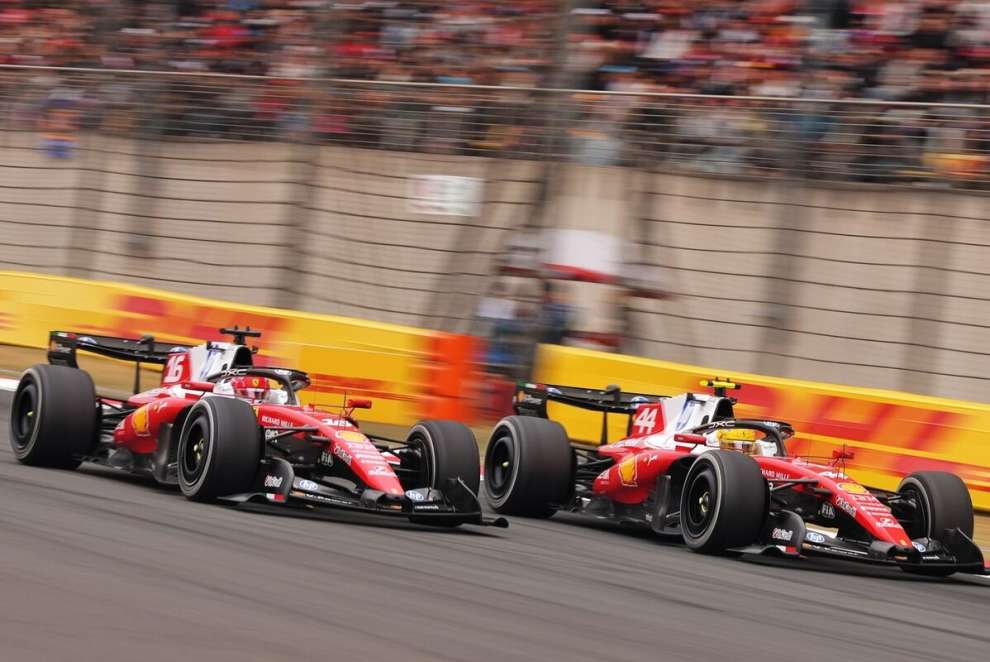
Russell, however, had to wait 29 laps before finally regaining second position, complaining over the radio that the Ferrari drivers were going fast in the right places. They are words that highlight that the more similar the approach to energy management, the more complicated overtaking becomes. In this sense, the Shanghai circuit has helped to standardize energy strategies, while Suzuka will be a more critical track for the battery, promoting different management and Mario Kart-style duels.
The primary interest
Over time, development will lead the teams to converge in terms of software, making overtaking less and less obvious. However, if we really wanted to encourage wheel-to-wheel battles, an intervention by the FIA would be needed to set limits on management strategies. Just as with the DRS we were now thinking about the length of the activation zone the maximum difference in power between attacker and defender should be limitedwith the aim of having them arrive paired at the braking point. Neither before, nor after.
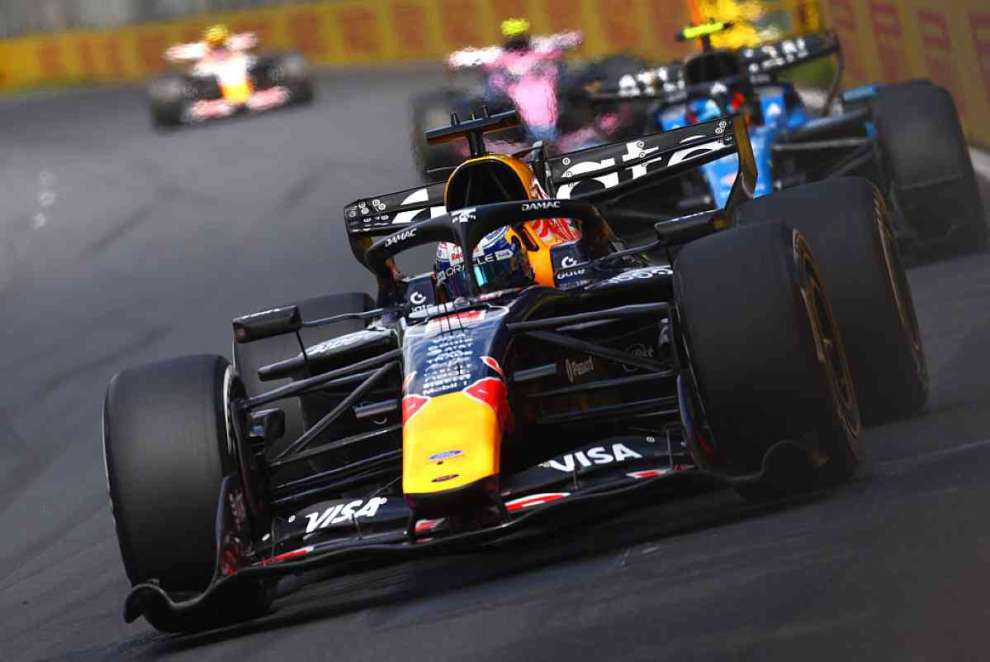
The implementation of all this, however, will depend on what the primary objective is. Preserving traditional race dynamics may appear to be the priority for a good portion of long-time drivers and audiences, but Formula 1 takes even more into consideration the response of fans globally. If the indicators show a greater appreciation for Mario Kart style races, then the organizers are unlikely to decide to change the current product.