Differences compared to the first GP
The last term that Formula 1 fans have had to learn to familiarize themselves with following the introduction of the new technical regulations is super clippingthat is, that phenomenon – caused by the typology of the new power units – which causes the slowing down of the car in a straight line despite the driver keeping the accelerator pressed to maximum. Not exactly the best for those who race in Formula 1, as teams and drivers had the opportunity to experience, despite themselves, in Australia.
According to what was explained in the presentation of what will be the Chinese GP weekend by the Chief Trackside Engineer of the Williams team, Paul Williamsthis phenomenon should be reduced in the second race of the championship. “We expect energy management to be simpler than in Melbourne, with high cornering time at part throttle reducing the need for super clipping – explained the Grove team engineer – How teams manage usage, exit lap preparation and traffic will once again be key to maximizing single lap performance. In the past, careful selection of rear wing level was required to balance downforce requirements with drag on long straights. With the introduction of active aerodynamics and the four-zone straight-line mode, this is no longer a major issue“.
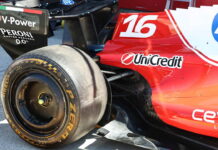
“The track offers a demanding challenge with a mix of corners, direction changes and power-limited sections. The circuit is typically very limited at the front, with long sequences of high-load corners, particularly the complex 1-2-3 corner at the start. This makes the car very sensitive to front axle loadwith the graining on the left front which represents a real threat. The first Sprint event of the season also represents an additional challenge, with only an hour of free practice before the Sprint qualifying session.”Williams further explained.