





The UK automotive sector is being urged to act urgently to reduce its reliance on rare earth materials, amid warnings that dependence on these inputs could trigger the next major supply chain crisis for electric vehicles. Advanced Electric Machines (AEM) has published a new white paper arguing that the widespread use of rare earth permanent magnet motors is creating a structural vulnerability that threatens EV production, industrial competitiveness and net zero targets.
According to AEM, the risk mirrors the semiconductor shortage that disrupted global vehicle manufacturing during the COVID-19 pandemic. Unlike semiconductors, the company says rare earth dependency is becoming more acute, driven by concentrated processing capacity, export controls and rising geopolitical tension.
The white paper points to recent export licensing restrictions on rare earth elements, which have already led to production shutdowns across parts of Europe. Manufacturers have warned that further disruption is likely, with limited alternatives available in the short term under current motor technology choices.
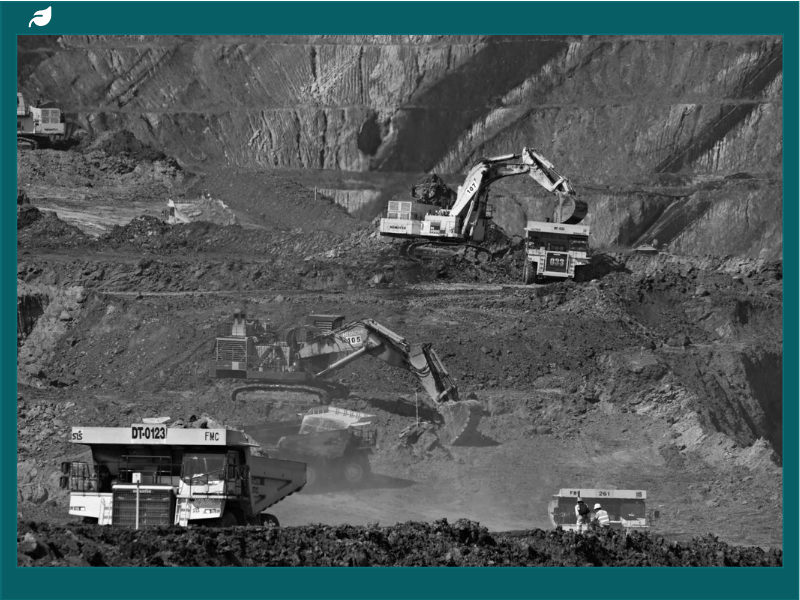
AEM argues that this exposure represents a single point of failure for the automotive industry. With one country dominating global rare earth processing, the report states that the UK’s EV supply chains are increasingly exposed to risks that sit outside domestic control, including geopolitical leverage, environmental harm linked to extraction, and cyber vulnerabilities.
The report also highlights the scale of rare earth use embedded in current EV designs. Most electric vehicles rely on up to one kilogram of rare earth materials within their motors, materials that are energy intensive to extract and process and are subject to growing export controls.
This dependency comes at a critical moment for UK climate policy. The government’s Zero Emission Vehicle mandate requires 80 percent of new car sales to be zero emission by 2030, driving rapid growth in EV production. AEM argues that existing rare earth supply trajectories are not aligned with the pace of expansion required to meet these targets.
Rather than calling for diversification of rare earth sourcing alone, the white paper challenges the assumption that these materials are unavoidable. It sets out the case that alternatives to rare earth permanent magnet motors already exist and are commercially proven.
AEM points to its own rare earth free motor technology, which it says has been deployed in real world applications for more than four million kilometres across buses and light rail systems. The company states that the technology delivers comparable performance to permanent magnet motors, while reducing costs and environmental impact.
Lifecycle analysis cited in the report suggests that magnet free motors can reduce environmental impact by more than half compared to conventional permanent magnet designs. Removing rare earths from motor systems also eliminates exposure to volatile pricing and supply chains concentrated in a small number of jurisdictions.
The report situates these findings within a wider policy context. The UK government’s recently published Critical Minerals Strategy is described as a positive step in recognising the risks posed by highly concentrated supply chains. However, AEM argues that resilience cannot be achieved solely by sourcing critical minerals from alternative locations.
Instead, the company suggests that where technologies already exist that remove the need for critical minerals altogether, faster adoption offers a more secure route to meeting climate and industrial goals. The white paper frames rare earth free motors as one such option, available for near term deployment rather than long term development.
Dr James Widmer, CEO and co founder of Advanced Electric Machines, said the industry is underestimating the scale and immediacy of the risk. “We’ve been here before,” he said. “The semiconductor crisis showed how quickly a hidden dependency can shut down production, damage confidence, and cost the industry billions.”
Widmer added that the risks associated with rare earths are deeper and more persistent. “Rare earths represent an even greater risk because the dependency is deeper, the supply chains are more concentrated, and the disruption is no longer hypothetical,” he said. “The technology to remove this vulnerability already exists. What’s missing is the urgency to adopt it.”
Beyond identifying the risk, the white paper outlines a series of actions aimed at manufacturers and policymakers. These include immediate pilot programmes to validate rare earth free motor technologies in passenger vehicles, alongside coordinated supply chain risk assessments across the automotive sector.
AEM also calls for targeted government support to accelerate domestic production of rare earth free motors. The report argues that establishing even partial independence from rare earth supply chains within the next five years would materially reduce the risk of production shutdowns, missed emissions targets and loss of consumer confidence in the EV transition.
The paper concludes that the transition to electric vehicles is not solely a question of scaling battery production and charging infrastructure. It argues that motor technology choices made today will shape the resilience, environmental footprint and security of the UK automotive industry for decades to come.
As EV adoption accelerates under regulatory pressure, AEM’s warning adds to a growing debate about the hidden dependencies embedded in clean technologies. The company’s position is that addressing these vulnerabilities now, while alternatives are available and before disruption becomes systemic, is essential to keeping the transition on track.