



How to Read Vehicle Expertise Report? How Can You Evaluate?
You have a expertise There is a report, but when you look at the pages full of technical terms, test results and control items, you cannot understand what it means. Almost every vehicle owner experiences this. Many people have a vehicle appraisal and receive the report, but cannot fully interpret the information in it. However, the real value of the report is revealed when you can read it correctly.
Vehicle Identification Information is Included on the First Page of the Report
Every vehicle appraisal report begins with the identification information of the vehicle inspected. License plate, chassis number, brand, model, year and mileage information are included in this section. The first thing you need to do here is to check whether the information in the report exactly matches the information in the license and advertisement. The slightest mismatch in the chassis number can be a serious problem. Mileage information should also be evaluated, because a low mileage disproportionate to the age and general condition of the vehicle suggests the possibility of intervention.
Body and Paint Department
The most curious part of the report is the body-paint detection section. Here, one of the expressions original, painted, corrected or changed is used separately for each panel. Just because a single door is painted doesn’t always mean bad; Parts that are painted as a result of repairing a small scratch are normal. However, if more than one panel has changed, it may indicate that the vehicle has been in a serious accident.

The main important areas are the chassis and crossmembers. If there is any correction or bending detected in these areas in the expert report, the structural integrity of the vehicle should definitely be checked. Chassis damage is a situation that directly threatens driving safety and is costly to repair.
Engine and Mechanical Department
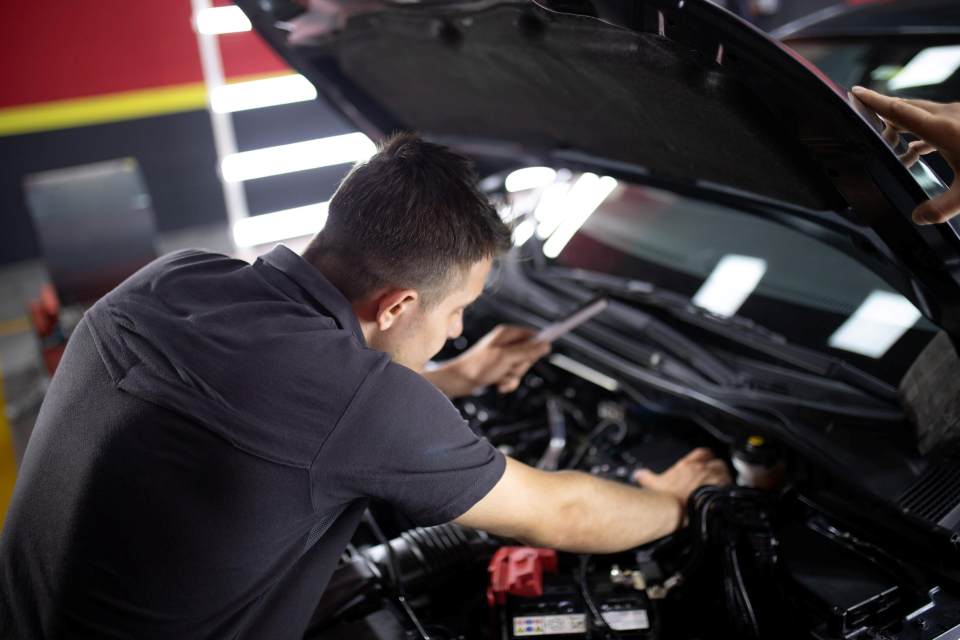
This part is the most technical part that determines the performance and reliability of the vehicle. Items such as oil leak detection, exhaust smoke color, turbo sounds, engine blowing should be examined carefully. Blue smoke coming out of the exhaust may indicate engine oil burning, while white smoke may indicate a gasket problem.
If engine blow-by is detected, this indicates cylinder and piston ring wear and may require an expensive repair. In the transmission department, gear shifting hardness, slipping symptoms and noise detection are important. Negative findings in clutch control in automatic transmissions may be a sign of malfunctions that will cause serious expenses in the future.
Device Test Results
vehicle expertise The most objective part of the report is the device tests. The brake test measures the braking force of each wheel separately and is expected to be balanced. Large differences indicate a problem with the brake system. In suspension testing, the percentage efficiency of shock absorbers is reported; low efficiency indicates worn shock absorbers. The lateral slip test reveals whether the vehicle will pull to the right or left on a straight road. The diagnostic test scans the fault codes in the vehicle’s brain unit. Some error codes saved in the past even if deleted expertise can be detected by devices.
What Should You Do With the Findings You See in the Report?
After reading the report, evaluate the findings. Acceptable findings are minor cosmetic stains and normal age-related wear. Negotiable findings include parts that will require replacement in the near future, brake pad or shock absorber wear, etc.
The reasons for giving up are chassis damage, engine blowing, transmission failure or serious signs of flooding. You can review the Umran Auto Expertise Packages page to compare expertise packages of different scopes and choose the inspection that best suits your needs.
Automobile Magazine – English