





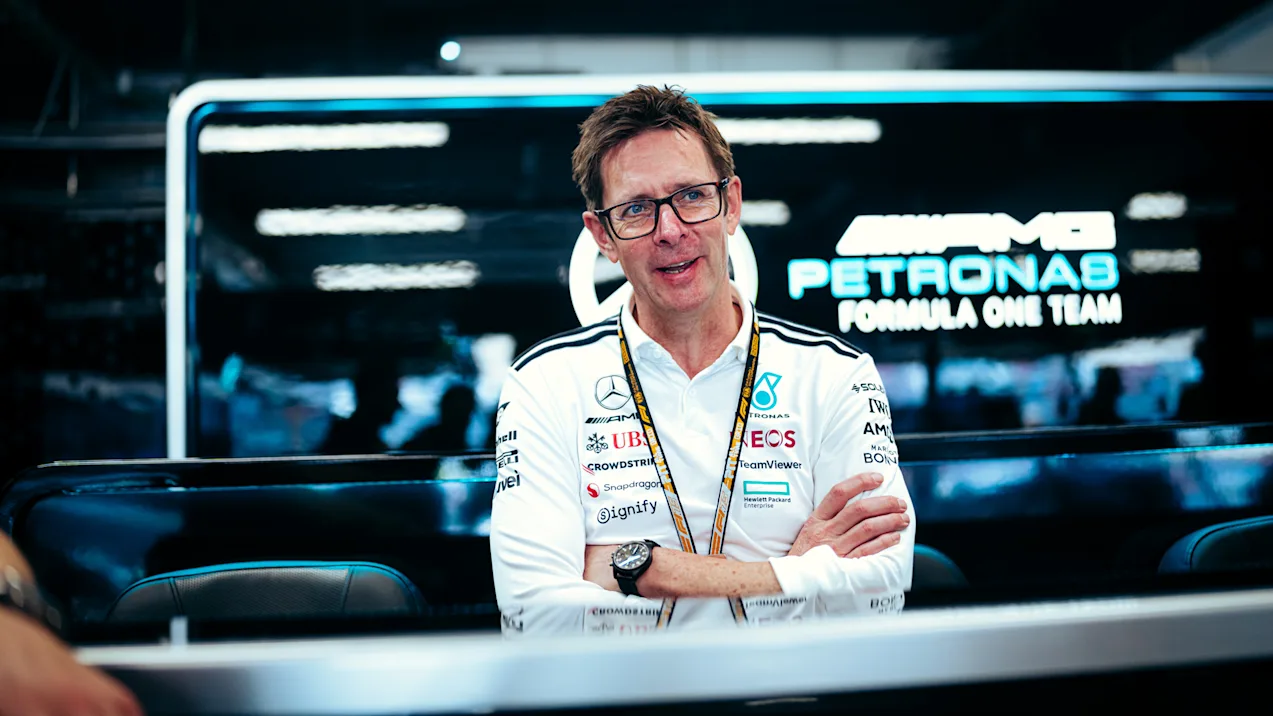
For a young person interested in motorsport, the opportunity to work in the sport they love can be very attractive.
Just as a young go-kart driver dreams of one day racing in Formula 1, an aspiring engineer may aim to reach the pinnacle of motorsport.
Andrew Shovlin, who has been at Brackley since 1999 (the team was then known as BAR), few people know better what it takes to get to Formula 1.
We sat down with our Director of Trackside Engineering to tell you everything you need to know about working in Formula 1.
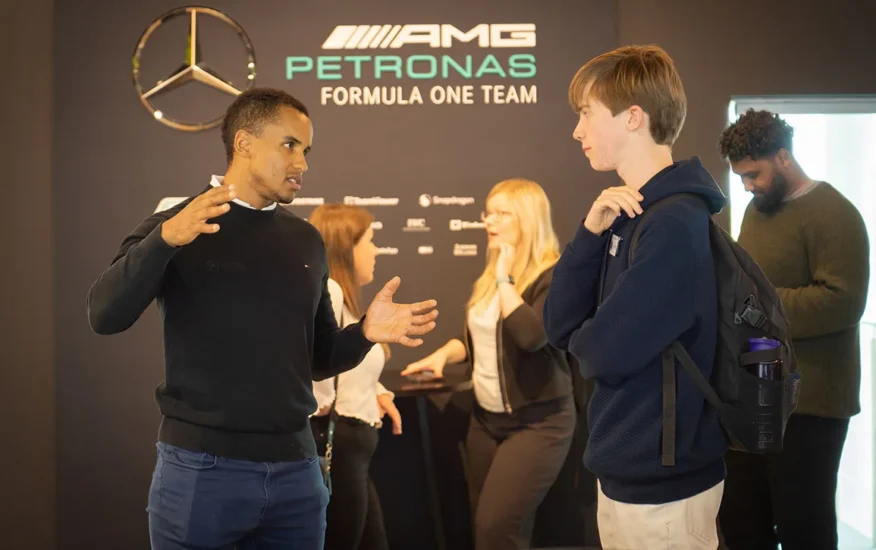
How Can I Find a Job in F1?
“When you think about getting into Formula 1, you think it’s going to be impossible. But it’s not like that. There are many entry routes and many different roles for different people.”
“Every team is very keen on young talent and we are all competing with each other to attract it. Usually when we interview for traineeships here, the candidates have already been interviewed at Red Bull, McLaren and other teams. Everyone wants the best people to come and join them and a lot of effort goes into ensuring that.”
“It’s not as hard as you think, you have to try different things, but if you’re determined it’s definitely achievable.”
“I have contacted enthusiastic students in the past and heard of them finding work in other teams such as Williams, Haas or McLaren.”
“They had no advantage, just ‘this looks interesting, what can I do there?’ they thought.
Do I Need Specific Qualifications?
“To our team, this means much more than just your education or degree.”
“It’s not all about experience and qualifications. There’s a range of attributes we look for to see how you can add value to this team, but you need to be really open-minded about it.”
“My experience before working here was with trucks and trailers, but that didn’t stop me from getting a job in F1. I had no experience in motorsport, but I understood how things worked.”
“We are looking for people with human relations skills. For more than 1,000 people to work effectively, you need people who can interact with each other and bring out the best in others. This is very important.”
“Sometimes it comes down to how you cope under pressure, how you resolve conflicts, and how you adapt to similar situations. These skills are important in daily life.”
“When you’re dealing with competitive racing drivers looking to beat each other, you need to know how to manage this constructively – and that’s not always easy to do!”
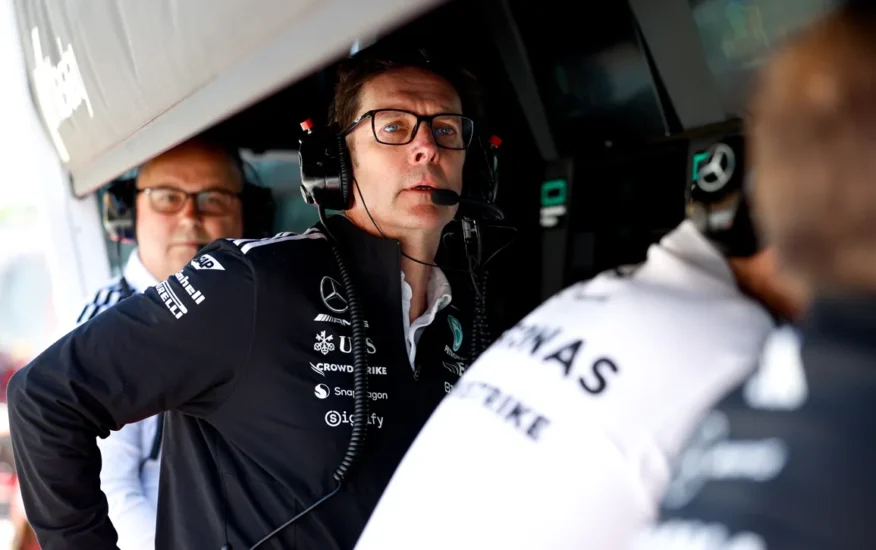
What Jobs Can I Do in F1?
“All of our team members have goals for what they want to accomplish here when they start. They may even target a role they don’t have the talent for.”
“It is our duty to help them develop these skills. We want to ensure that team members develop in a way that keeps their interest in the work they do.”
“When I first joined the team, I was one of two fresh out of university majors in the Department of Vehicle Dynamics. Since then I’ve worked in a few different roles, most of which stemmed from a ‘this looks interesting, let me try it’ mentality.”
“For example, many people who want to get into Formula 1 may want to become race engineers. But there are only 20 cars on the grid, so there are only 20 race engineers. There are over 1,000 people in this team, but only two race engineers. It’s important to look at other roles as well.”
“It’s really important to sit down and focus on your own strengths. What do I want to do? What are my interests? What is the right sport for me?”
“Have an idea of where you want to end up, but that doesn’t necessarily have to be your starting point. The important thing is to find the best route for the journey.”
What advice can you give to someone who wants to work in Formula 1?
“A lot of people have watched Drive to Survive on Netflix and think it looks cool. I grew up watching F1 too, but you really have to love the subject.”
“Whether you’re an engineer, an aerodynamicist or a designer, when you get into this sport you really have to enjoy it because you can watch two hours of motor racing a week but you’ve got another 40-50 hours of work to do.”
“Working on something you love makes your whole career interesting, so make sure you enjoy it, that’s the most important thing. If you enjoy the challenge, it keeps you interested.”
What is the work culture like at Mercedes?
“In the beginning, we always blamed people when things went wrong. But now, we just look at the process, thinking, why did it fail? What do we need to improve? How can we take action to prevent this from happening again?”
“This is how we work to get the best out of our team members and maximize the performance of every aspect of our business, including on-track performance.”
Automobile Magazine – English