






OMODA and JAECOO, which quickly attracted attention with their models with innovative design languages, continue to strengthen their claim in the global market with their approach focusing on quality and safety. In this context, the brand’s first global model, OMODA 5, registered its superior safety performance with results above the segment average in Euro NCAP and ANCAP tests. The model, which draws attention with its high-strength steel ratio of up to 78% and its innovative energy-absorbing body structure, also offers a new level of active safety with its advanced ADAS technologies. OMODA 5 is among the strongest models in its class in both passive and active security, with a 5-star security rating.
OMODA & JAECOO, the innovative brands of the automotive industry, always position quality and safety as their top priority. In this context, OMODA 5, which is the brand’s first global model and attracts great attention from the new generation of young users, demonstrates the highest level of safety performance in its class with scores above the segment average in Euro NCAP and ANCAP tests.
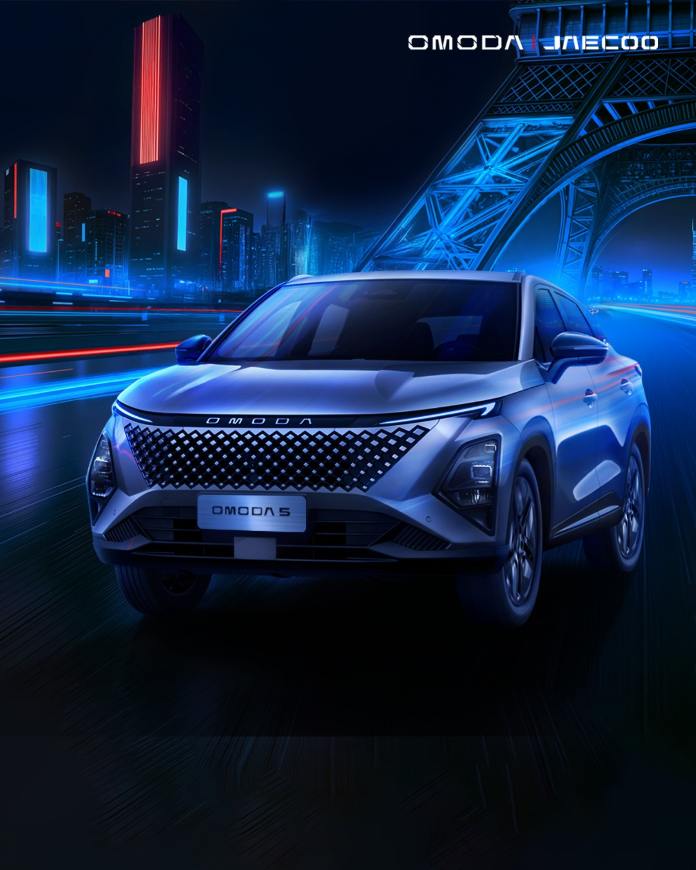
OMODA5 attracts attention especially in critical categories such as “Child Passenger Protection” and “Driving Support Systems”; It re-certified its strong security infrastructure by achieving success rates of 87% and 88% in Euro NCAP tests and 88% and 83% in A-NCAP tests, respectively. These results clearly reflect the robust body structure of the model and the brand’s technical know-how in the field of automotive safety.
The Basis of Safety: 78% high-strength steel and energy-absorbing body technology
While high-strength steel is used extensively in the body structure of OMODA 5, the steel ratio in the total structure reaches 78%. In critical collision zones, ultra-high strength hot-formed steels with tensile strengths up to 1500 MPa are preferred.
In addition, the innovative “cage type energy absorbing” body design used in OMODA 5 offers a lighter and more durable structure compared to traditional structures. This design ensures controlled absorption of energy in different crash scenarios, protecting the integrity of the passenger cabin and reducing the risk of possible injury.
In addition, thanks to the three-way load distribution design and the double-sided, four-collision box energy-absorbing structure, the force generated at the time of impact is distributed evenly. These systems, which work integrated with load-limiting seat belts and multiple airbags, provide comprehensive protection for the driver and passengers.
Automobile Magazine – English