





As temperatures rise, an important period begins for drivers. Continental, the leading tire manufacturer, reminds us about the transition to the use of tires suitable for the season, pointing out that the use of winter tires in hot weather may create disadvantages in terms of both safety and cost; It advises drivers on correct timing and correct storage.
With the arrival of spring, we are already dreaming of pleasant travels, from weekend getaways to long summer holidays. In order to enjoy these enjoyable routes, our vehicles, our most reliable companions, must be ready for the season. Continental reminds us of the importance of switching to summer tires for high performance and safety as the weather gets warmer. The brand warns about the risks of using winter tires, especially when temperatures exceed 7°C; “Changing tires suitable for the season is not only a legal obligation but also the first step of a safe journey,” he says and shares important information with drivers.

Risks of Using Winter Tires in Warm Weather
Winter tires, which have rubber compounds specially developed to increase road holding at low temperatures, may cause some disadvantages in terms of performance in hot weather conditions. According to experts, using winter tires in the summer can lead to the following consequences:
Increase in braking distance: Especially during sudden braking, longer stopping distances can occur compared to summer tires.
Driving safety is reduced by: Deformation of the rubber structure can reduce roadholding performance and prevent safe driving.
Increase in fuel consumption: Higher rolling resistance can cause the vehicle to consume more fuel.
Acceleration of tire wear: Tire rubber, which softens in hot weather, can deform faster.
Decrease in driving comfort: It is possible that road noise increases and the driving feeling is negatively affected.
Therefore, using seasonal tires offers significant advantages not only in terms of safety but also in terms of economy.
Proper Storage Provides Long Life
Storing winter tires in the correct conditions is of great importance for safe use in the next season. Continental experts underline that winter tires stored in the right conditions can be used safely for many years and state the correct conditions as follows:
How Should Winter Tires Be Stored?
Remove clean and dry: Mud, stones and debris on the tire surface should be cleaned and the tires should be dried completely.
Note its location: The positions of the tires on the vehicle should be marked and stored.
A cool and dry environment is required: Areas away from direct sunlight and moisture should be chosen.
Pay attention to Ideal Positioning: Store tires with rims horizontally on top of each other, and tires without rims upright, and avoid placing heavy loads on them.
Cut off contact with air: If possible, avoid structural deterioration by using tire storage cases or bags.
Enjoy the Summer
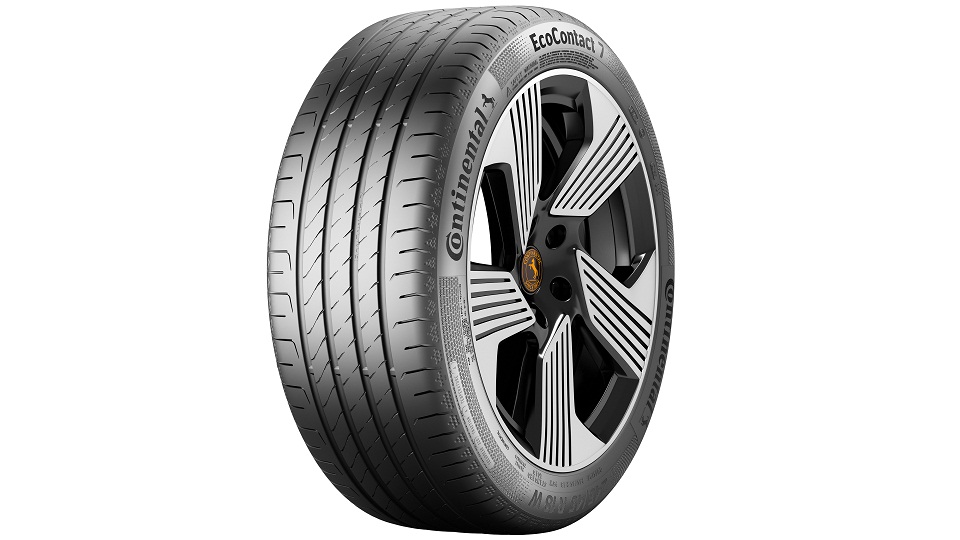
Continental’s summer tire family offers excellent handling at high temperatures, short braking distance, lower fuel consumption and a quiet driving experience thanks to low rolling resistance.
PremiumContact, from Continental’s summer tire family, offers superior performance in summer conditions and meets safe driving needs. 7 stands out with its comfortable driving and short braking distance. SportContactThe 7 draws attention with its sporty handling and stability at high speeds.
EcoContact6, while providing fuel efficiency and quiet driving with low rolling resistance; UltraContact, on the other hand, offers durability even on hot surfaces with its long mileage and solid carcass structure. Drivers only have to enjoy the summer with Continental tires, which continue to be preferred with the high performance results obtained from independent test institutions in Europe.
Automobile Magazine – English