



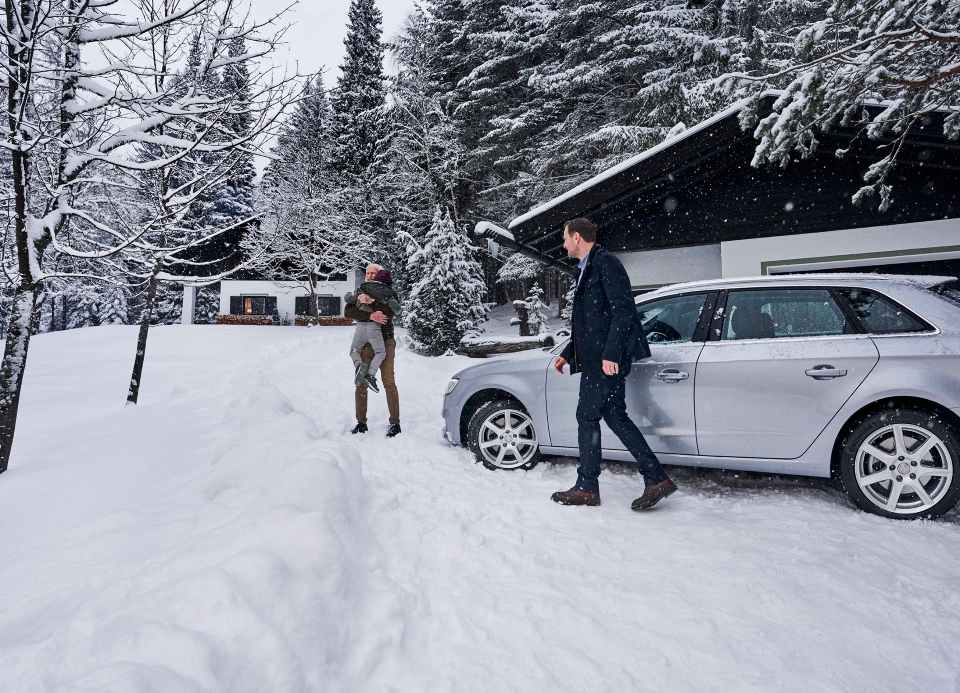
Winter conditions not only reduce road holding, but also make the journey more open to surprises. Roads closed suddenly, waiting hours lasting, visibility suddenly decreasing, braking distances extending on frozen ground… Continental offers valuable suggestions to all drivers who will hit the road in the cold season this year, with the strength it draws from the development philosophy of the winter expert WinterContact series.
In our country, the road closures that are repeated every winter due to the negativities experienced by unprepared drivers and the scenes of having to wait in the vehicle for a long time remind drivers once again of the importance of keeping the fuel tank as full as possible. A full tank gives you the chance to maintain cabin temperature by turning on the heating, preventing the vehicle from freezing and providing the power necessary to take action in an emergency. For electric vehicles, the charging rate in winter is vital. It is recommended to change the habits from the summer and charge the batteries more frequently, as they drain faster in cold weather. Likewise, keeping basic supplies such as blankets, thermo covers, gloves, berets, water, dry food, power banks and flashlights in the vehicle allows you to get through the difficult hours spent in low temperatures much more safely.
The more you see, the more confidently you move forward
One of the most critical risks of winter is loss of vision. Snowfall, condensation and intense humidity make it difficult for the driver to follow the environment. A simple piece of newspaper placed under the mats helps reduce condensation as it absorbs moisture in the cabin. Wiping the inner surface of the windows with alcohol also removes the moisture-retaining layer on the surface, allowing fog to form later.
Driving technique is the most determining factor of winter safety. Sudden braking, harsh steering movements and fast throttle commands can lead to loss of control on icy ground. For this reason, Continental emphasizes the importance of proceeding with soft commands, gradual gas and brake transitions, slowing down before entering a bend and increasing the following distance. It should not be forgotten that winter is not the season of those who rush, but of those who move forward sensing the path.
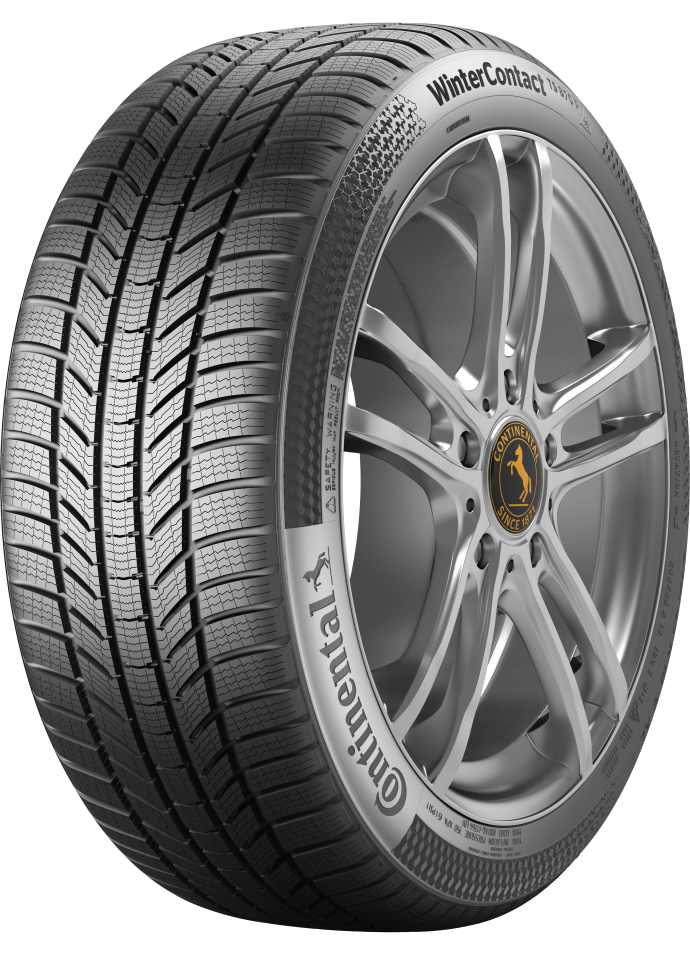
Besides all these suggestions, Continental reminds us of the decisive role of the right equipment suitable for the harshest conditions of winter. The WinterContact family offers four powerful models developed for different driving profiles. WinterContact 8 S is designed for those looking for maximum grip on snow and wet surfaces without compromising the passion of sporty driving. While WinterContact TS 870 P is the choice of versatile drivers who want to be ready for snow, rain and ice combinations at the same time; WinterContact TS 870 appeals to those looking for comfortable, safe and balanced winter driving. By offering a winter tire suitable for every driving style, Continental starts the first step of safety on winter roads with choosing the right tire.
Automobile Magazine – English