Respect for History Project is more than a social responsibility project, it is ‘An Exemplary Development Model for Türkiye’
The “Social Impact Analysis Report” prepared for OPET’s Respect for History Project, which has been ongoing for 20 years in Çanakkale and Gallipoli Historical Peninsula, revealed the concrete response of the project in the field. In the study conducted using the ILO “Output-Consequence-Impact-Socio-Cultural” impact analysis framework, it was revealed that the project, which received a score of over 4.40 in all headings and an overall satisfaction rate of 93 percent, protected the cultural heritage, revitalized the local economy, and was strongly accepted by local communities, tourism professionals and visitors. According to social impact research, the project stands out as not only a social responsibility project, but also an exemplary development model that can be applied throughout Türkiye, with a social acceptance rate of nearly 100 percent.

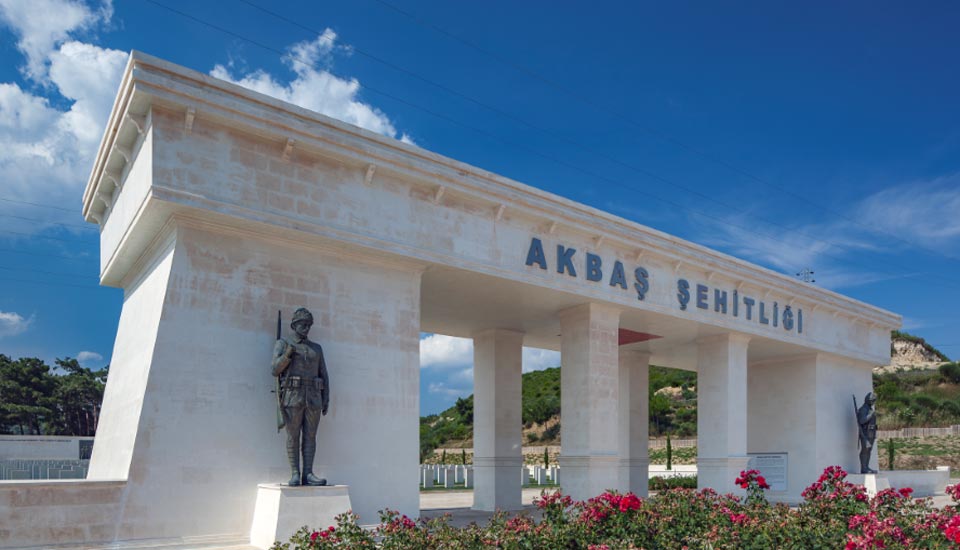
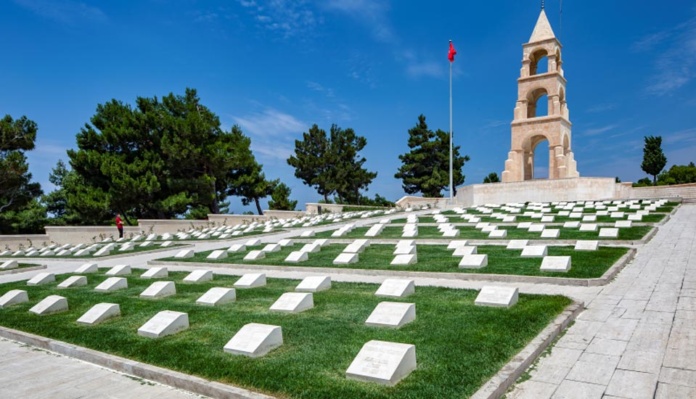
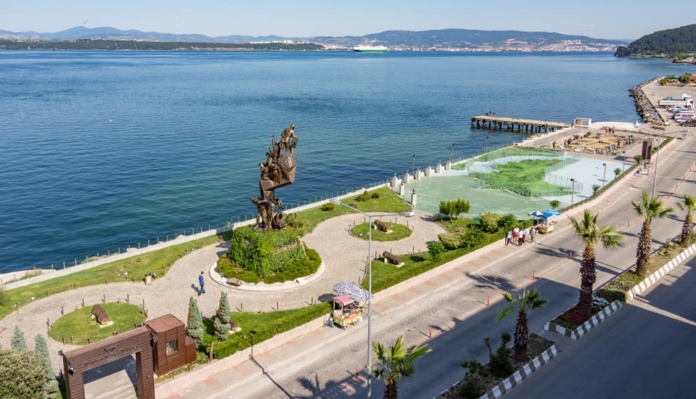
OPET started in 2006 in Çanakkale and Gallipoli Historical Peninsula. Respect for History Project It has achieved great change and development in the region in 20 years. 10 villages (Alçıtepe, Seddülbahir, Bigalı, Kilitbahir, Kocadere, Behramlı, Büyük and Küçük Anafarta, Tevfikiye, Çıplak) and Eceabat district; While it was given a modern face with environmental regulations, renewed and created museums and cultural centers, training was given to the people of the region on various topics. Within the scope of the project, the 57th Regiment and Akbaş Martyrs’ Cemeteries were restored to their original state, and a modern primary school was built to replace the school that had lost its function in Eceabat. The transformation created by the project in the fields of development, preservation of cultural heritage and strengthening of the local economy was completed in March. “Social Impact Analysis Report” was revealed with.
Çanakkale Onsekiz Mart University (ÇOMÜ) Faculty of Science, Head of Applied Statistics Department, Assoc. Dr. It is dated March 2026 and signed by Burcu Mestav. “OPET Respect for History Project – Çanakkale Gallipoli Historical Peninsula and Troy Villages Social Impact Analysis Report”, It revealed the concrete results of the project on the field.
The findings obtained after the research conducted with the participation of 182 professional tourist guides and local people residing in 10 villages of Çanakkale center and Gallipoli Historical Peninsula showed that the project was adopted by local communities and tourism professionals. While 93.4 percent of the local people evaluated the project positively, this rate reached 93 percent among tourist guides. In the study conducted using the “Output-Result-Impact-Socio-Cultural” social impact analysis framework of the International Labor Organization (ILO), it was determined that the project received over 4.40 points in all headings and the overall satisfaction rate reached 93 percent. One of the most striking findings of the report was that the combined impact score of the project was calculated as 91.5 out of 100. This result corresponded to the “unconditional continuation” category according to international evaluation criteria. 90.9 percent of local people and 91.8 percent of tourist guides clearly stated that the project should be continued.
“THE STRATEGIC VALUE OF THE PROJECT HAS BEEN SCIENTIFICALLY REGISTERED”
In the report, “Evaluations of both professional tourism guides and local residents reveal that the project exhibits a strong and stable performance in all dimensions ranging from physical infrastructure to social transformation, that the current support legitimizes the 20-year institutional commitment and makes a transformative contribution to regional tourism. OPET Respect for History Project is a successful social responsibility project with 93.4 percent social approval and a general technical score of 4.59/5.00, reliability values in the range of 0.85-0.91, meaning very good and excellent.” “The transformation journey, which started from physical outputs, has scientifically registered the strategic value of the project by evolving into social acceptance and the belief in a permanent socio-cultural heritage.”
“IT FOUND A CONCRETE RESPONSE ON THE FIELD”
Leader of the Respect for History Project OPET Founding Member of the Board of Directors Nurten ÖztürkIn his evaluation of the report, “Çanakkale and the Gallipoli Peninsula, which has hosted many civilizations with its thousands of years of history and is a unique region with its historical texture, has a very special place in our nation’s struggle for freedom and independence. The Respect for History Project, which we started in 2006, has led to a comprehensive transformation movement that preserves the historical and spiritual heritage of these lands in the intervening 20 years, revives the villages, organizes the martyrs’ cemeteries as it deserves, and adds value to the region with museums and cultural areas.” It is extremely valuable for us to see tourism revived and the local economy strengthened while preserving the cultural heritage. But perhaps the most meaningful gain was that people felt and embraced the story of these lands. As stated in the Social Impact Analysis Report, it makes us proud that our project has received a concrete response in the field and has been adopted by a wide range of people, from local people to tourism professionals. We see this project as an expression of our respect for our past and our responsibility towards the future. “It is a source of happiness and honor for us to have shown our commitment and love,” he said.
VILLAGES WERE THE BIGGEST SUPPORTERS OF THE PROJECT
In the report prepared as a result of a long-term research, the reflections of the OPET Respect for History Project on the local people, the different roles undertaken by the villages, the tourism movement and its transformative power throughout the region were comprehensively discussed. The analyzed data revealed that villages that maintain the balance between physical infrastructure investments and social benefit are the biggest supporters of the project. Regarding the subject, the report states, “The villages of Küçük Anafarta and Büyük Anafarta have a success approval of 100 percent. Similarly, the villages of Kocadere, Seddülbahir and Kilitbahir reflect the sustainable social impact of the project with their stable performance in the 90 percent band. The harmony of physical arrangements and socio-cultural contributions in these locations are seen as the main elements that reinforce the public’s faith in the project. Especially the high guide access rates in Seddülbahir and Kilitbahir indicate that both of these villages “It shows that they are tourist attraction centers and that this density is successfully managed by the public.”
Automobile Magazine – English