F1 Japan, the report cards of those promoted
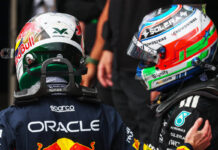
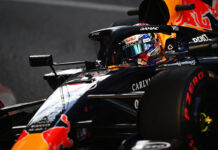
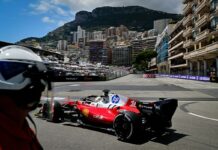
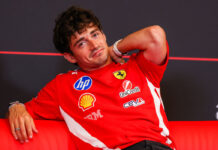
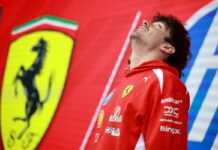
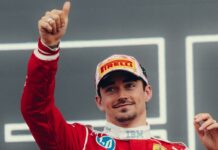
1. Pierre Gasly and Charles Leclerc. National pride is fine, but those who have had an uphill road since time immemorial should be rewarded. AND few are climbing as well as Gasly and Leclerc. Pierre keeps Verstappen behind once again and confirms that he is a high caliber driver, who deserves a bigger dimension than the Alpine: yes, but which one? The problem, for this Red Bull victim, is always the same. Leclerc: the only one who offers different emotions on the track (indeed, the only one who offers emotions), among the few who bridge the difference between the cars, ask Russell for further information.
2. Kimi Antonelli. Here the road is more downhill, very downhill if lucky stars favor this little star. But what a talent. In his second year in F1 he is moving at the pace of those who have been on the grid since before Covid, who studied to become champion, and believed that in 2026 he would only have to defend his thesis to graduate with honours. And instead he has to sweat it out because of the “fault” of this little boy from Casalecchio di Reno, who already at the end of 2025 had made him understand that he was growing wings this big. Now Kimi is flying, and we are with him. It’s just a shame we aren’t enjoying it properlyalso due to an F1 that has denied its identity.
3. Oscar Piastri. Even mother Nicole, after Australia, wavered in Oscarino’s defense. Which is there, of course. The McLaren hits the ground running, he lights up and eclipses the world champion occupying first position before the Safety Car (who knows how it would have gone without Bearman’s accident). And now come the European tracks, where last year was relentless.
F1 Japan, the report cards of those who failed
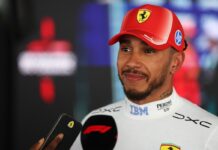
3. Lando Norris and Lewis Hamilton. Lando, a weekend as a tourist: he takes them for three days from Piastri, who in 25 laps gives him a clean 10 seconds. Not the performance we would expect from someone who has just won the title. And speaking of titles, those who have won seven are no better off. Of course, compared to 2025, Hamilton gives the idea of being at least more motivated, but in Suzuka he collapses at the end: in an F1 with an armored top-6, he finishes sixth despite a favorable Safety Car and fresher tyres. In short, again little, little, little.
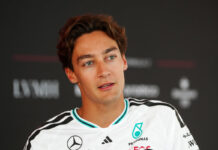
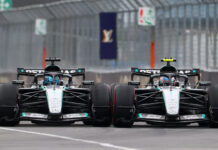
2. George Russell. He’s the biggest loser of the weekend. Of course, bad luck takes its toll, and Russell has an easy time complaining about the Safety Car missing for a lap. But in qualifying he takes two tenths from Antonelli, and when both have a clear track it is Kimi who prevails. Delivery problems aside, there’s no such thing as missing the podium with this Mercedes: Plates first and especially Leclerc in the final bring him back to earth.
1. Walking Saturday. Qualifying is a disheartening spectacle. Leaving aside the obviousness of the outcome, normal stuff at the beginning of the technical cycle, they are a slap in the face to F1 and to a sport which, due to its desire to innovate, no longer knows who it was: a driver who always pushed to the limit, who now goes slower to perhaps go faster (the software told him so). The perfect ride is the one where you don’t make anything up: great stuff, I haven’t been so excited since I read the washing machine manual. Obviously it won’t be a lasting situation: the FIA and F1 have made mistakes other times in the past, but they have almost always made it right. And above all, F1 thinks in economic terms. For years he has pursued (and captured, with sensational results) a generalist audience. Which however is volatile: just as he has embraced F1, he will have no problem changing the channel if he no longer finds it interesting or if he no longer finds his favorites (Verstappen is ready to leave a pharaonic contract on the table). So, for a simple survival instinct, corrective measures are needed: certainly on Saturday, but Bearman going into the barriers to avoid a Colapinto at ring road speed is also an alarm for Sunday. Maybe it will be the beginning of a virtuous process, in which we will begin to listen to the pilots. Because you can no longer think about the “Let’s see how the first races go“: you were lucky that Colapinto worked magic at the start in Melbourne, and that Bearman avoided the Argentine in Suzuka. And the calendar also helped you, because if the crash had happened in Jeddah the consequences would have been serious. But, as F1 itself has had the opportunity to learn in other eras, good luck ends sooner or later.